Table of Contents
Cryptocurrency forks are an important part of the digital currency world. They can create opportunities for innovation, affect the value of coins, and sometimes even give users new assets to manage. Cryptocurrencies like Bitcoin and Ethereum run on blockchains. A blockchain works like a shared digital ledger, but unlike a bank ledger, it relies on rules agreed on by the network.
Sometimes those rules need to change. Maybe the network must fix a bug, improve performance, add a new feature, or solve a disagreement about how things should work. When this happens, the blockchain may undergo what is called a fork. This article takes a look at what a fork is, why it happens, types of cryptocurrency forks and everything else you need to know.
What Is a Cryptocurrency Fork?
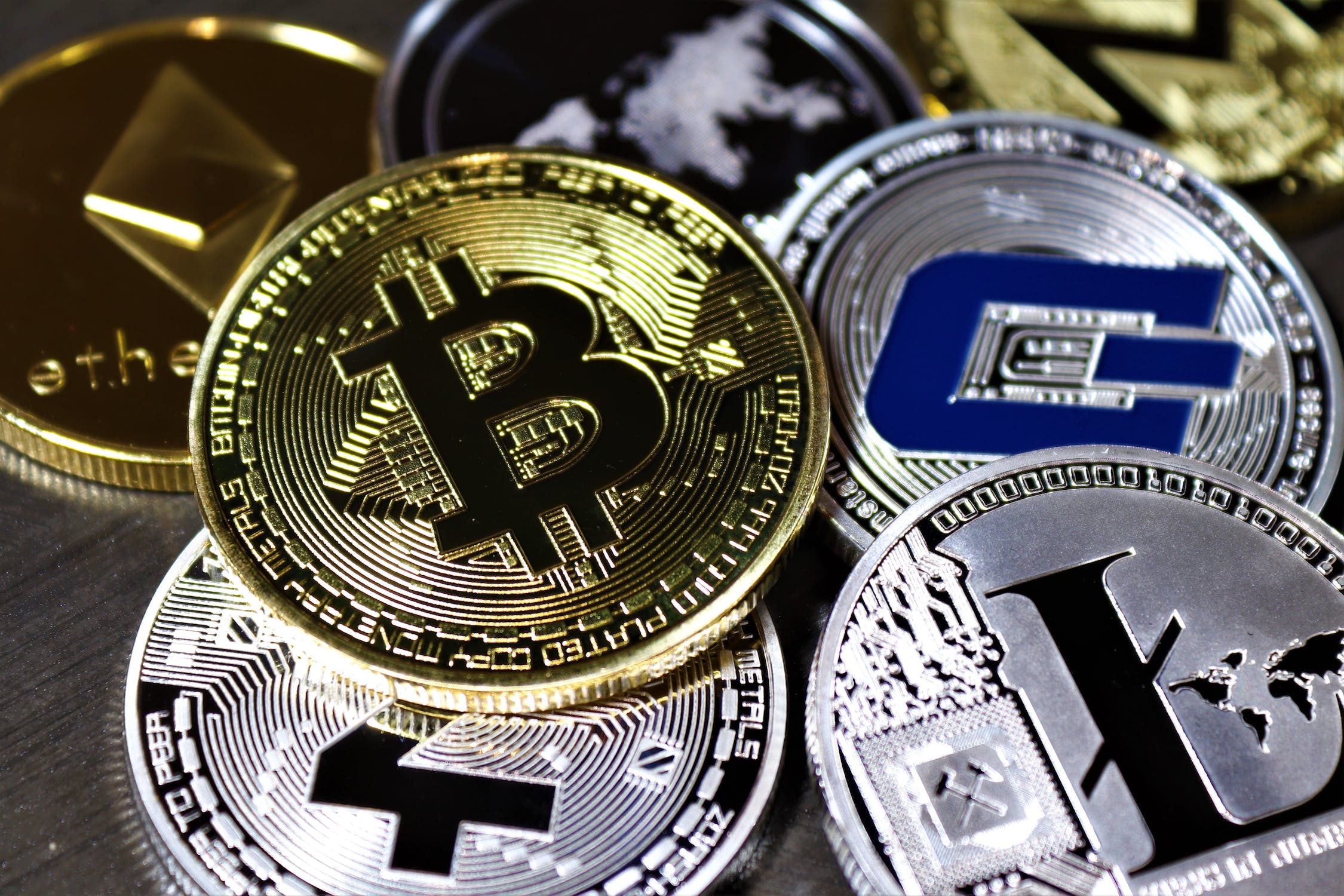
A cryptocurrency fork happens when a blockchain’s rulebook is changed. Blockchains rely on shared rules for things like creating new blocks, validating transactions, and accepting updates. When these rules are altered, the network must agree on the change. If everyone upgrades to the new rules, the blockchain continues normally. But if only some network participants adopt the new rules while others do not, the blockchain can split into two separate paths.
A fork is similar to updating a shared document. Everyone stays in sync if every participant opens the new version of the document. But if some use the old version, and some use the new, the document effectively becomes two versions. This split creates what is known as a fork in cryptocurrency and this is a divergence in the blockchain’s history.
Why Do Cryptocurrency Forks Happen?
1. Software upgrade
Cryptocurrencies evolve over time and developers might propose a protocol update that fixes security issues, improves performance, or introduces new functionality. These kinds of upgrades usually require changes to the core rules that govern the blockchain. A fork can happen when the network updates its software to include these changes.
2. Differences in community opinion
The decentralized nature of crypto means that there is no single authority in charge. Sometimes, developers and users disagree on the best path forward. A fork happens when an agreement can’t be reached and this allows each group to continue under its own rules.
3. Security problems
Forks may also happen when a vulnerability or exploit arises. If a serious security flaw is found, developers might propose a quick rule change to protect user funds or fix the problem. This happened in Ethereum in 2016 after the DAO exploit. The network executed a hard fork to reverse the effects of that attack, leading to a split and the continued existence of Ethereum Classic.
Types of Cryptocurrency Forks
1. Soft Forks
A soft fork is a rule change that is backward‑compatible. This means that new blocks created under the updated rules are still accepted by nodes on the old software. In other words, users who do not upgrade can still participate in the network without causing a split. Soft forks typically tighten or limit certain behaviors without negating the rules that existed before.
2. Hard Forks
A hard fork is a change that is not backward‑compatible. Nodes that do not upgrade to the new rules will no longer accept blocks created under the updated protocol. This type of fork usually results in a split that creates two separate blockchains with shared history up to the point of the fork. Hard forks often result in two different cryptocurrencies. Some participants continue on the original chain, and others follow the new rules on the updated network.
How Cryptocurrency Forks Affect Users
1. Impact on coin balances
In most hard forks, the original coins remain intact, and users who held the original cryptocurrency at the time of the fork may receive an equivalent amount of the new coin on the forked chain. For example, if 1 BTC existed before a Bitcoin fork, the owner might have 1 BTC on the original chain and 1 new coin on the forked chain after the split. However, this can vary depending on how wallets, exchanges, and developers handle the fork. Some exchanges automatically credit new coins to users, while others might not support the forked token at all.
2. Price volatility and market reaction
Forks often cause volatility in the market. Traders and investors may buy or sell assets in anticipation of the fork, which can push prices up or down. After the fork, each resulting chain may have its own market price based on supply, demand, and user confidence. Volatility is especially noticeable around the time a fork happens because many market participants are repositioning their holdings or reacting to news and community sentiment.
3. Security and scams
Fork periods are fertile ground for scams. Some malicious parties create fake wallet apps, websites, or “claim pages” that promise free tokens from a fork. Unsuspecting users may reveal private keys or send funds to fraudulent addresses.
4. Exchange support and user experience
Not all exchanges support every fork. If an exchange chooses not to support the new chain, users on that platform may not receive the forked coins even if they would have if they held the assets in a self‑custodial wallet.
How Forks Impact Developers
1. Innovation and network updates
For developers, forks are both a tool and a responsibility. Forks allow teams to introduce new protocols, fix technical issues, and improve network functionality without centralized control. Because open‑source software drives most blockchain networks, developers can freely propose updates and enhancements. Forks can be a sign of progress, allowing developers to experiment with new features such as scalability upgrades or new consensus mechanisms.
2. Coordination and communication challenges
Organizing a fork requires extensive planning and communication. Developers must coordinate with nodes, exchanges, and other stakeholders to ensure a smooth transition. Forks can lead to confusion, delays, or technical problems that harm user experience without clear communication. Developers must publish detailed documentation, migration guides, and timelines to support wide adoption of new rules.
3. Community divisions and resources
Forks driven by disagreement can divide communities. When a project splits, developers, contributors, and users may have to choose which chain to support. This can dilute talent and financial resources, making it harder for both chains to grow.
Forks vs Airdrops
Although forks and airdrops may both result in users receiving new tokens, they are fundamentally different. A fork changes the blockchain itself. In a hard fork, the blockchain’s rule change creates a new chain that may issue a new version of the cryptocurrency. Users who held coins before the fork may receive the new coins on the forked chain.
An airdrop is simply a distribution of tokens, usually for promotional or community reasons. Airdrops do not require a change in the blockchain’s rules and do not create a separate chain. Instead, they distribute tokens to wallets as a reward or incentive.
Are Forks Good or Bad?
Forks are not inherently good or bad; their impact depends on context. On the positive side, forks can improve networks, fix critical problems, and create new possibilities. Many successful projects began as forks of earlier blockchains. Forks can also strengthen community engagement by giving participants a choice about how the network evolves.
On the negative side, forks can create confusion, split communities, and introduce technical complexity. Poorly planned forks can lead to user losses or security issues. In extreme cases, one or both chains resulting from a fork may fail to attract enough support to remain viable. In short, forks reflect the decentralized nature of blockchain technology, change is possible without central authority, but responsibility and risk remain shared among participants.
Frequently Asked Questions (FAQs) on Understanding Cryptocurrency Forks
1. Do I lose my crypto during a fork?
No. In most cases, your original coins remain safe. If a hard fork creates a new blockchain, you may also receive coins on the new chain if your wallet or exchange supports it.
2. Do I need to take action during a fork?
No action is usually needed if you use a reputable wallet or exchange that handles forks. However, it’s important to follow official announcements and verify how your provider will support the fork.
3. Are forks risky for beginners?
Forks can be confusing for new users, especially if they encounter scams or don’t understand how wallets and exchanges handle new coins. Staying informed and cautious helps reduce risk.
4. Can forks affect the value of my crypto?
Yes. Market prices may rise or fall before and after a fork due to speculation, uncertainty, and demand for both original and forked coins.
5. Why do some forks fail?
Forks may fail if they do not attract enough community or developer support, if technical issues arise, or if users and exchanges choose not to adopt the new chain.
Conclusion
Cryptocurrency forks are a fundamental part of how decentralized networks evolve. They can result from software improvements, community disagreements, or responses to security issues. Forks can be backward compatible or lead to entirely new chains. For users, forks can mean new coins, price volatility, and the need for careful attention. For developers, forks offer opportunities to innovate but also require coordination and clear communication.
While forks may be complex, they demonstrate the flexibility and openness of blockchain technology. By understanding what forks are and how they work, anyone involved in cryptocurrency can navigate these changes with confidence.
Last updated on February 3, 2026