Table of Contents
Every day, there is news or another update in the crypto market. Some are good, and some are bad. Does this constant wave of information and misinformation make you wonder if we are already in the future or if this, too, will fail? It is normal to wonder if we have explored the possibilities of crypto enough, or if we are just nibbling at the edge of what is possible, especially with the back and forth with the government and with the market itself.
But we are not far from the truth, as crypto traders, we are getting into an era where your emotions have to take the back seat while you trade and make decisions, and instead learn about the global infrastructure of cryptocurrency.
Let’s break down what that future looks like.
Mainstream Adoption and Institutional Growth of Cryptocurrency
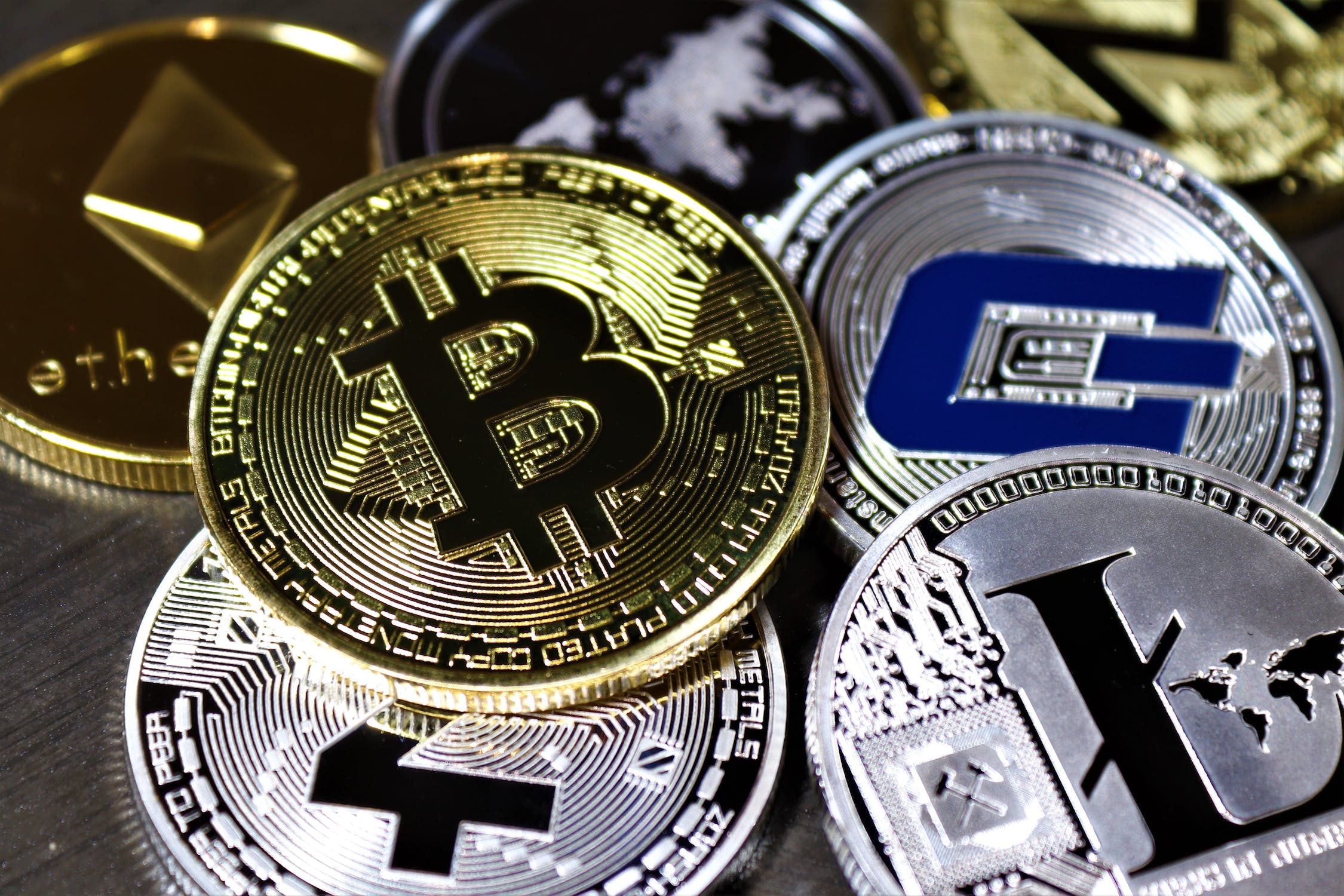
There is currently an increased level of cryptocurrency acceptance and adoption. This significant crypto adoption is happening faster than anyone anticipated. Even in the retail space, like travel and e-commerce industries, the crypto payment system has become a business pattern. This has pushed a lot of individuals into using digital wallets, stablecoins, and apps that utilize blockchain-based payment systems.
Institutions are also a part of the crypto acceptance movement. Big firms like BlackRock, Fidelity, and Grayscale have launched large-scale Bitcoin and crypto investment products like exchange-traded funds (ETFs), pushing crypto deeper into traditional finance. Because of their involvement, there is more liquidity, stability, and investors trust these firms more.
Businesses are becoming more comfortable with using financial tools that are blockchain-based, like tokenized assets, cross-border settlements, and on-chain identity systems. Also, many more countries are trying their hands at Central Bank Digital Currencies (CBDCs), so the digital asset infrastructure is becoming a lot more mainstream.
Regulatory Clarity and Global Standardization
Before this time, regulation was done as an afterthought, but that is no longer the case. Before any coin is accepted or any mode of payment is allowed to see the light of day, it has gone through appropriate regulatory processes. The government has now moved from vague warnings to structured policies, and the industry is now safer, more transparent, and more accessible.
The Financial Action Task Fund (FATF), which is the world’s financial police, has created global rules for crypto to make sure that criminals do not use it to hide money or fund illegal activities. This has given major countries like the UK, EU, and Australia the chance to create clear laws on how crypto should work. Because these countries have put rules in place, big financial institutions are comfortable enough to dabble in crypto. People are now more comfortable, too, because they are not scared of getting scammed.
We’re moving toward global standardization, where across the world, there is a common rule, tax frameworks that are generally accepted, and a reporting system that works for everyone. This is important to ensure that everyone can use crypto safely and easily.
Technological Innovations Associated with Cryptocurrency
1. Layer-2 Scaling and Faster Networks
Crypto’s original systems are too slow and expensive for everyone to use. Now, developers have created faster, dedicated systems (like Rollups and Lightning Network) that make transactions cheap and quick, finally allowing the digital asset world to serve massive numbers of users.
2. Interoperability and Cross-Chain Protocols
The digital world cannot be run by just one crypto network, but by many working together. New “interoperability tools” are like digital bridges. With them, money and information can pass easily between all these different networks to create one big, unified online economy.
3. Tokenization of Real-World Assets
Houses and stocks can be turned into digital assets on a blockchain. This means assets can be owned by many people at once, traded 24/7, and bought by anyone globally.
4. Artificial Intelligence and Crypto Integration
AI-powered trading tools, smart contract automation, and blockchain-based data networks bring a new level of efficiency to decentralized applications. Technology is no longer chasing hype—it is quietly building the infrastructure of the next financial era.
Investment and Market Evaluation
Crypto markets are maturing, actually-slowly but surely-as investors move from speculation into disciplined analysis, predicating their decisions on hype for an informed assessment of the digital assets’ measurable fundamentals mirroring those in traditional finance.
1. Network Activity
On-chain activity describes a blockchain usage frequency metric in terms of transactions, active wallets, and general demand. High on-chain activity is indicative of real engagement, stronger adoption, and a healthier ecosystem. Investors rely on such data to form views regarding whether a cryptocurrency is gaining relevance or fading. With market maturity, network behavior has become a core indicator of long-term value, not just short-term excitement.
2. Developer Growth
Developer growth reflects how many builders are actively contributing to a blockchain’s code, applications, and upgrades. Investors view developer activity as a sign of future innovation and ecosystem durability. The more developers a network attracts, the more tools, smart contracts, and products it can support. Strong developer communities often correlate with stronger long-term performance and greater technological resilience.
3. Real-World Usefulness
Real-world utility refers to how much a cryptocurrency solves existing problems in the real world—problems related to payments, storage, identity, gaming, business operations, and so on. Investors look to see if a blockchain brings meaningfully valuable resources to people beyond speculation.
The more a network becomes useful in daily life, the more its demand will be sustainable. Utility-focused projects will increasingly become preferred as the market shifts toward function, adoption, and real economic impact.
4. Protocol Revenue
Protocol revenue is any fees that are generated by the blockchain or decentralized application from being used. The more revenue, the greater the demand and the healthier the economic design of the protocol. Investors study this metric to gain insight into whether a protocol could maintain itself financially without hype. Revenue-generating networks usually have better long-term prospects since they function more like businesses, with calculable income and real use cases driving their value.
5. Token Supply Schedules
Token supply schedules describe how new tokens enter circulation over time, affecting how scarcity and price might change. Investors look for inflation rates, vesting schedules, and emission models to understand what the potential long-term pressure on supply will be. A clear and predictable supply structure creates stability in markets, while unbridled inflation destroys value. Mature investors view tokenomics as monetary policy-a key driver for assessing risk, sustainability, and future price potential.
6. Institutional Holdings
By institutional holdings, we mean cryptocurrencies owned by funds, companies, and major financial institutions. Large-scale participation from institutional entities signals confidence, liquidity, and interest in the long term. When institutional investors accumulate assets such as Bitcoin or Ethereum, it helps strengthen market stability and reduce extreme volatility. Their involvement brings professional standards, compliance frameworks, and broader adoption—pushing crypto further into the mainstream financial landscape.
Potential Risks Associated with Cryptocurrency
1. Regulatory Changes
While the governments are making much clearer rules, a sudden major law change or some new strict policy quickly shakes things up in the market and scares away the big companies thinking of joining.
2. Wild price swings
Cryptocurrency prices can drop or surge at a very fast rate. These changes clean people out who take on huge bets-what’s called a leveraged position-or convince newer investors to cash out and sell everything at a loss.
3. Hacking and theft
Yet, due to the constant hacking and security flaws around digital money, there is still risk when dealing with it. Sometimes, even smart, experienced investors lose their money when some kind of security fails.
4. Tech Breaking Down
That is to say, in case the crypto project was poorly made, the founders leave, or if the main code has a serious bug, money or assets of people become permanently lost.
5. Big World Problems
When high debt or the fear of recession makes the entire world’s economy shaky, it starts to have an effect on the crypto market. That makes people nervous to buy and sell digital money, slows down trading activity, and reduces the total amount of cash being invested.
What Are the Societal and Economic Impacts of Cryptocurrency?
1. Financial Inclusion
Cryptocurrencies are opening up access to global financial systems for millions who have been traditionally locked out of banks or constrained by unstable currencies. It means low-cost payments, instant transfers, digital savings, and even dollar-denominated stability through stablecoins.
For any community feeling any form of inflation or any weakness in banking infrastructure, crypto is a lifeline that empowers the ability to store value, transact freely, and participate in a global digital economy with no need for conventional financial institutions.
2. Job Creation and Innovation
With the rapid evolution of the crypto and blockchain industry, it is fast becoming a global employer, creating a host of new career paths across technology, cybersecurity, legal compliance, marketing, community management, and financial services.
Innovation-driven startups, exchanges, and Web3 projects are creating roles that have never existed before. The greater the rate of blockchain adoption, the greater the demand for qualified professionals, and crypto is undoubtedly one of the largest drivers behind modern digital economy job creation.
3. New Economic Models
Crypto enables decentralized economic systems wherein users, and not corporations, own their data, are in control of their digital assets, and directly participate in value creation.
Decentralized autonomous organizations, token-based reward structures, and Web3 platforms give them voting rights, revenue shares, and real ownership over the digital spaces to which they create value. This plays out against traditional internet economics based on speculation, top-down innovation culture, and extractive labor relations.
4. Reforming Traditional Finance
From banks and governments to global institutions, traditional financial systems are being reshaped with the adoption of blockchain to enhance transparency, safety, and speed. Blockchain-based settlement networks bring down transaction times from days to seconds with minimal fraud and human error.
Central Bank Digital Currencies and institution blockchain pilots point toward programmable money in a way that streamlines cross-border payments and makes financial infrastructure more accountable, into a hybrid future where traditional finance and crypto technology coexist.
Frequently Asked Questions (FAQs) About The Future Of Cryptocurrency
Will this cryptocurrency replace the money we use nowadays?
This is unlikely to happen: instead, they are going to collaborate. Normal money for national economies, crypto for the needs of digital, decentralized, and borderless transactions.
Is It Safe to Invest in Crypto?
That all depends on how you trade. To be on the safe side, you need to do enough research, use only the most trusted exchanges, and secure your wallet properly.
Which Cryptocurrencies Will Dominate in the Future?
Bitcoin and Ethereum are the reliable leaders, but the significant growth is going to come from new projects that are speeding up transactions, connecting the space to AI, and enabling digital ownership of real-world assets like property.
Will regulations shape crypto’s future?
It will mean more people accept and use crypto because the market is safer. It may make compliance tighter, but more and more people and firms will invest in and have trust in crypto more.
When should I invest?
In crypto, timing is never perfect; the best approach is long-term positioning, responsible risk management, diversification, and ongoing learning. It follows that there are four factors that will determine the future of cryptocurrency: adoption, regulation, technology, and global economic evolution. We’re on our way to that phase when digital assets transition from a speculative experiment into an integrated financial structure.
Conclusion
The future of cryptocurrency depends on four key factors: adoption, regulation, technology, and global economic evolution. We’re headed to a phase where digital assets switch from a speculative experiment to an integrated financial infrastructure. As we can see already, banks and institutions are embracing it more, governments are working to improve regulatory clarity, and the underlying technology is rapidly becoming faster and safer. Crypto is carving its place in the world’s financial future.
But it is not cast in stone; there will be setbacks, risks, and volatility, but the clear long-term goal is that crypto becomes a permanent and foundational pillar of the world’s digital economy.
Last updated on January 19, 2026