Table of Contents
Gift cards move fast, and so do scammers. In Nigeria, where gift cards are increasingly used for payments, subscriptions, utilities, and thoughtful surprises, the smallest slip can turn “instant payment” into instant loss. The most valuable part of a gift card isn’t the card itself; it’s the code. Once it’s exposed, it can be redeemed by someone else before you even realize what happened.
This guide is built to help you stay ahead. Learn the warning signs, avoid common traps, and protect your code so your money stays under your control all the time.
1. Strengthen Your Account’s Security
The first thing you need to understand is that security doesn’t begin with the card. It starts from the accounts connected to the card.
Your WhatsApp, email, Instagram, trading app, bank app, and SIM card must all be properly secured. Scammers often attack these channels first because they know many Nigerians trade through chats, screenshots, alerts, and mobile apps. Once they enter one account, they can impersonate you, message your contacts, redirect your buyers, or change the conversation before you notice.
Use strong passwords. Avoid generating passwords from information that is personal to you, like your name, phone number, or birthday. Do not use simple words that are easy to crack as your password. Also, avoid using one password for every app. If a scammer gets one login, you do not want them to access your email, bank app, and trading account at once.
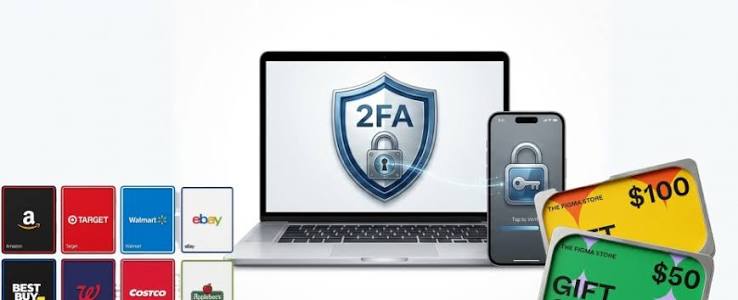
Another very important security measure to take is to turn on two-factor authentication on your email, WhatsApp, social media accounts, and any platform where you trade gift cards. This adds one extra layer of protection. Even if someone guesses your password, they still need the second verification step.
Also, update your phone number and recovery email on important accounts. Many Nigerians lose access to accounts because their recovery details are old. If your email, SIM, or WhatsApp gets compromised, recovery becomes harder when your account details are outdated.
Never make the mistake of installing an unknown app sent to you via Telegram, WhatsApp, SMS, or random links. Some apps steal login details or monitor your phone activity. These online scammers create these apps/links, and can call it a “rate checker,” “gift card validator,” or “payment confirmation app.” Please avoid these sorts of apps or links by all means except when they are coming from a verified store or a well-known platform like Prestmit.
2. Use Only Trusted Platforms or Official Channels
Do you know that the safest gift card deal is the one you can trace?
From experience, most gift card scams in Nigeria happen outside structured platforms. A buyer meets you on WhatsApp, offers a sweet rate, asks for the code first, sends a fake alert, then disappears. Some even use cloned Instagram pages, fake reviews, and copied logos to look real.
Do not trade based on fine graphics, sweet talk, or screenshots. Anyone can design a fake flyer. Anyone can create fake testimonials. Anyone can send a fake payment alert.
Use trusted platforms or official channels. If you want to buy a gift card, purchase it from the brand’s official website, authorized stores, or well-known retailers. If you want to sell a gift card, use a reputable gift card app like Presmit, which is currently one of the best options for buying gift cards with peace of mind and less risk of scams.
Before using any trading platform, check the website address carefully. Fake websites often look like real platforms. They may copy the logo, colours, and layout, but the domain name will usually have a small difference. One wrong letter can lead you to a scam page.
Let’s take a quick example, https://zencoders.io/, a scammer can decide to create the same app with a download link that looks like this https://zencodes.io/, or https://zencoder.s.io/, and so on. Never be in a hurry to click any URL link you are just seeing for the first time. You can copy the name of the app or the URL, then ask Google if they are legit. Google will produce articles or chats about other people’s experiences of the app.
3. Never Share Gift Card PINs, Codes, or Receipt Photos
Your gift card PIN is not “ordinary details.” It is the value of the card.
Once a scammer gets the PIN, barcode, claim code, or redemption code, they can drain the card. It does not matter if you still hold the physical card. The money follows the code, not the plastic.
Only forward your code to people who have paid you through a verified process. Avoid sending the back of the card photo to anyone who is demanding to “check if it is valid.” Do not send receipt photos that show sensitive card details. Dont even try to post your gift card pictures in WhatsApp groups, Telegram channels, Facebook comments, or Instagram DMs.
Some scammers will say, “Let me confirm the balance first.” Some will say, “Send the code, I will pay immediately.” Others will say things like, “I need the receipt to process your payment.” These lines sound normal to a beginner, but traders know the risk.
If anyone asks for your card details before payment or outside a trusted platform, pause first. Bear in mind that gift cards will not forgive your ignorance or carelessness.
4. Verify Before You Pay
One of the reasons most people lose their money to scammers is that they trust speed more than proof.
Before you release a gift card code, confirm payment inside your bank app. Don’t rely on SMS alerts only. Even when they show you screenshots, don’t believe it. Do not trust forwarded receipts. Fake alerts remain one of the oldest tricks in Nigerian online trading.
If a buyer claims they sent money, open your bank app and check your available balance. If the money does not reflect, do not release the code. If the buyer starts rushing you, that is a red flag already.
If you are buying a gift card, confirm the seller’s identity, card value, receipt, and source. Ask where the card came from. Check if the card has been activated. Confirm whether it is a physical card or an e-code. If the seller avoids clear answers, leave the deal.
Also, do not verify a gift card through a link sent by the buyer or seller. Go directly to the brand’s official website. Scammers create fake balance-checking pages to steal card details. You can check out this guide on the latest gift card scams, it explained how fake activation websites and stolen card numbers can trap unsuspecting users.
Alternatively, you can simply halt everything and do nothing when in doubt. A missed deal is better than a lost card.
5. Avoid Deals That Sound Too Good to Be True
In gift card trading, greed is one of the fastest ways to lose money. If the rate is far above the market, do not rush to deal; first ask why the rate is unusually high, confirm the platform’s reputation, and make sure it is not a gift card tactic to steal your code without paying you. Another example is when you get a $100 Apple/iTunes gift card for maybe $50; that’s clearly a scam. That shouldn’t excite you; it should get you worried.
If a buyer promises you instant payment but won’t use a trusted platform, that’s another red flag: don’t get comfortable, get really worried and suspicious.
Scammers use high rates to make you stop thinking. They know many traders want the best rate, so they offer a rate that looks too good to ignore. Once they collect the code, the story changes.
Some fake buyers also use overpayment tricks. They may send a fake alert for more than the agreed amount and ask you to refund the balance. Others may pay with a reversible method and later file a dispute. By the time the payment reverses, your gift card is gone.
Do not chase every rate. Always check the market, compare platforms, and choose safety before rushing to deal. If a buyer cannot explain the payment process clearly, do not deal with that seller.
6. Keep Proof When Buying or Selling Gift Cards
Every serious gift card trader keeps records. Keep your receipts, order confirmation emails, card pictures, transaction IDs, screenshots, chat history, buyer details, seller details, and payment confirmation. These records protect you when a buyer denies payment, a card fails, or a platform asks for proof.
Ensure you save the receipt of any gift card you buy, whether a physical or e-code gift card. If you sell through a platform, then save the transaction reference. And don’t be in a hurry to delete the chat history of anyone you did a gift card trade with, until the transaction is fully settled.
Proof may not always recover your money, but it gives you a stronger case when you report a scam or complain to the platform.
If the scam involves cybercrime in Nigeria, you can report through the official Nigeria Police Force National Cybercrime Centre e-reporting portal. If the case involves financial fraud, you can also submit a petition through the official EFCC petition portal.
How Gift Card Scams Usually Happen and the Red Flags to Watch For
Gift card scams usually follow a pattern. Once you understand the pattern, you can spot danger early.
1. Fake Prize Claims
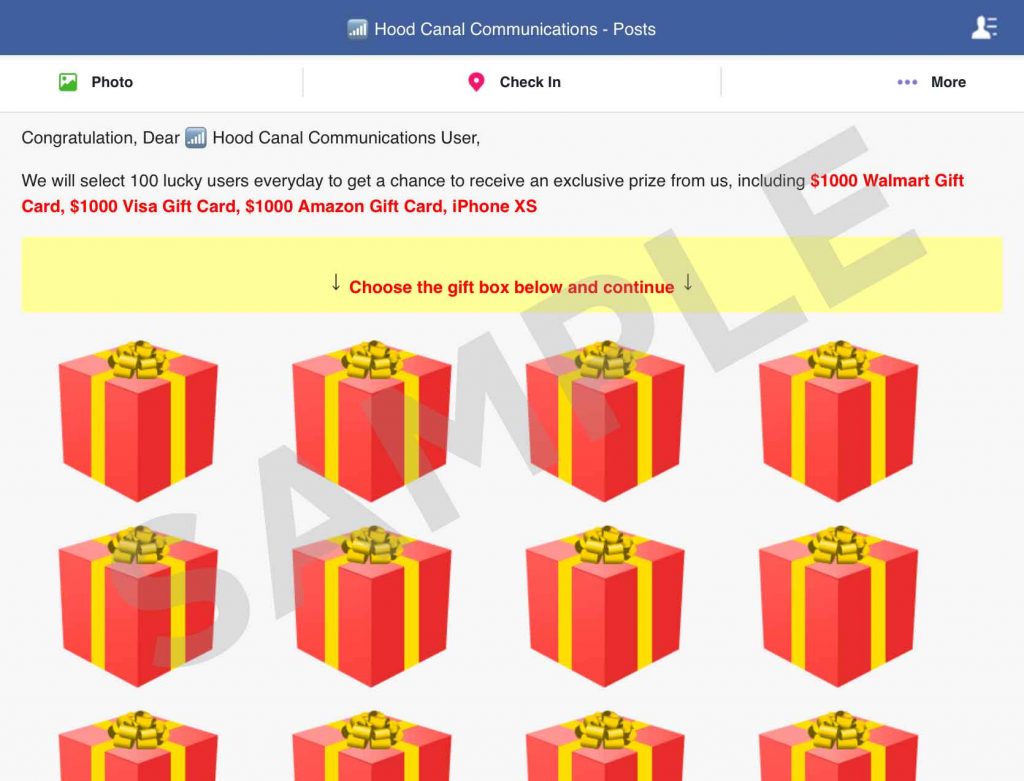
A scammer may tell you that you won a giveaway, job reward, visa offer, phone, cash prize, scholarship, or business grant. Then they ask you to buy a gift card or send a gift card code to “claim” the reward.
No real prize should require gift card payment. If you did not enter the competition, treat the message as suspicious.
2. Bank or Government Impersonation
Some scammers pretend to work for banks, police offices, tax agencies, immigration offices, delivery companies, or government departments. They may say you owe a fee, your account has an issue, or your name appears in a case.
Then they ask for payment through Apple, Google Play, Steam, Amazon, or another gift card. Know that: no real bank or government office will ask you to settle an official issue with a gift card.
3. Urgent Account Verification Requests
Scammers use urgency to strive. They may say your account will be blocked in 10 minutes. Sometimes you hear things like “your delivery will be cancelled,” or “your trading account needs instant verification.”
The truth is, urgency creates panic, and panic leads to mistakes.
A real platform will give clear steps through official channels. It will not force you to send your card code through a random chat.
4. Requests for Gift Card PINs
This is the easiest red flag to spot. If anyone asks for the PIN, claim code, barcode, serial number, or receipt photo before payment, stop the conversation. If a buyer insists on seeing the code first, they are not buying. They are fishing.
A gift card PIN should only enter a trusted redemption or trading process. It should never go to a random individual.
5. Chat-Only Communication
Many scammers avoid calls, offices, verified emails, proper receipts, and official support channels. They prefer WhatsApp, Telegram, Instagram DM, or Facebook inbox because they can block you fast.
Chat-only communication is not always fraudulent, but it becomes risky when the person refuses verification, avoids a platform, and pressures you to send the code first. A serious trader will always value traceability, but scammers avoid it.
6. Suspicious Links or Apps
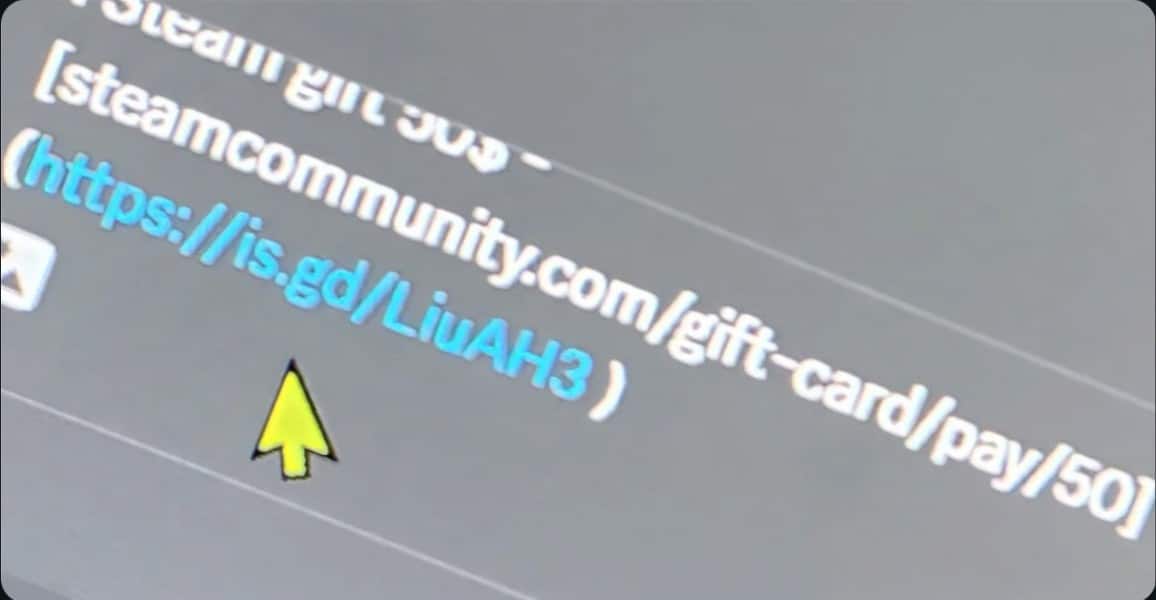
Scammers send links that look real. Some lead to fake gift card balance checkers. Some lead to fake trading apps. Some steal passwords. Some collect card details.
Do not open every link. Do not enter gift card details on pages you did not visit directly. Check the domain name. Avoid shortened links from unknown people.
This warning matters more for Google Play cards because scammers often misuse the brand name for fake payments, fake support, and fake verification. You can read Prestmit’s guide on common Google Play gift card scams for more examples.
Google also advises victims of Google Play gift card scams to report the scam to local police and then report it to Google through its official support process. See Google’s official guide on what to do if you are a victim of a Google Play gift card scam.
Best App to Buy and Sell Gift Cards Safely – Prestmit
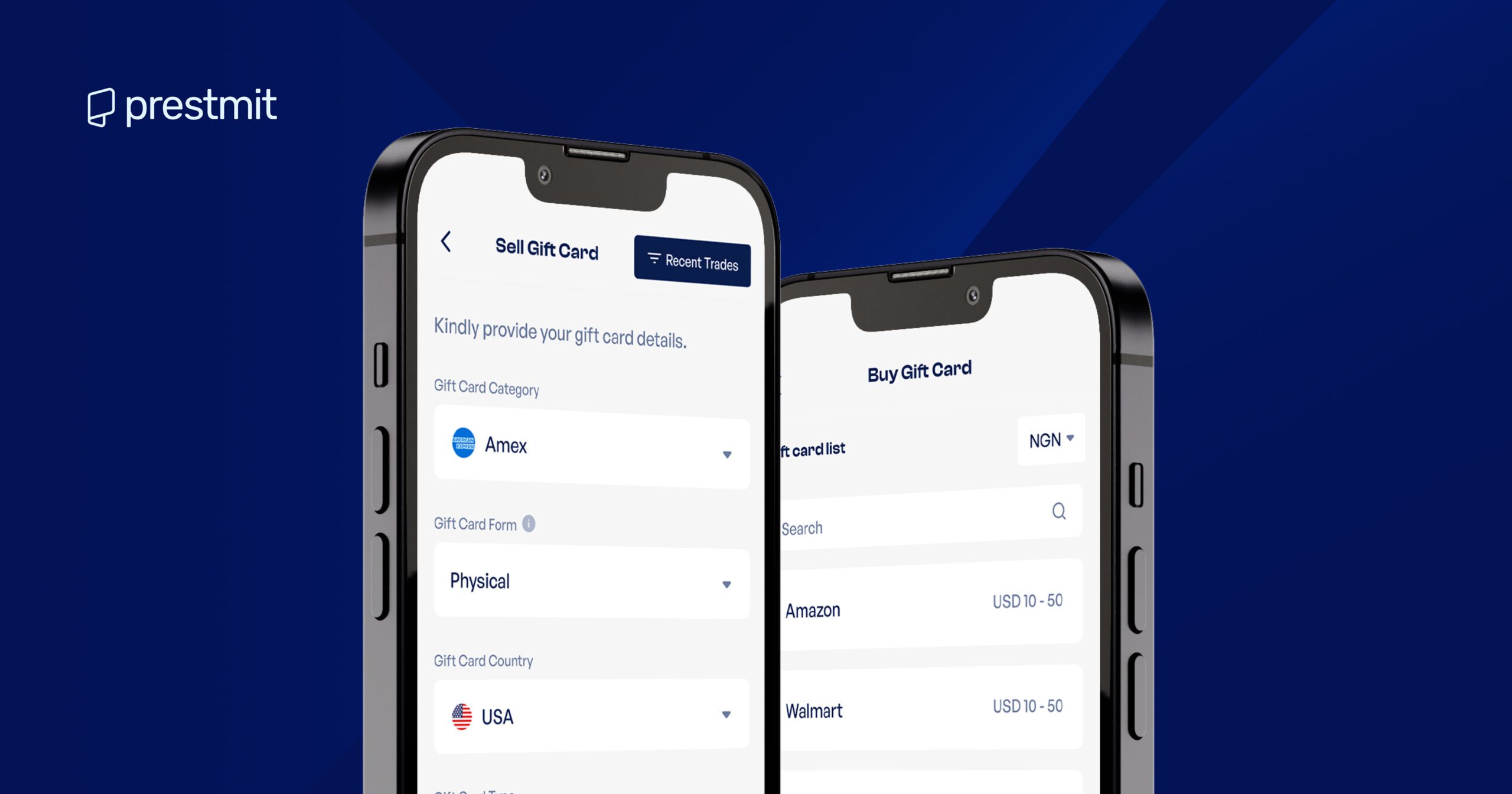
If you want to buy and sell gift cards safely in Nigeria, Prestmit is the app to consider. It is arguably one of the best apps for buying and selling gift cards in Nigeria because it provides a more secure, organized way to trade popular gift cards.
When you buy gift cards on Prestmit, the clean interface makes navigation effortless. We offer a wide range of gift cards, so there is a gift card for everyone. With our multiple payment options, you can easily make your payment in Naira, Cedis, USD, or crypto. You also enjoy speedy transaction processing time and swift gift card e-code delivery.
Selling gift cards on Prestmit is just as smooth; you get to know the rate of the card with the built-in gift card rate calculator before selling. Prestmit offers excellent rates, and you can sell for fiat currencies like Naira, Cedis, or USD, and you can also receive payment in crypto like Bitcoin, USDT, and Ethereum.
With fast payouts and auto-withdrawal, your funds are sent directly to your bank account without delays. Plus, Prestmit secures your account using SSL encryption, biometric login, and 2FA authentication, and a 24/7 customer support on standby, ready to assist you with your transaction.
Frequently Asked Questions
1. Can a gift card scam be reversed?
Sometimes, but you must act fast. Contact the gift card issuer immediately and provide the receipt, card number, transaction proof, and screenshots. If the scammer has not used the balance, the issuer may help freeze or investigate the card.
Once the scammer redeems the card, recovery becomes hard. That is why prevention matters more than chasing a refund.
2. Are gift cards safe to use?
Yes, gift cards are safe when you use them correctly. The risk starts when you buy from unknown sellers, click fake links, trade with random buyers, or share your PIN outside a trusted process.
Treat your gift card like cash. Protect the code, verify the platform, and keep your receipt.
3. What should I do if someone asks me to pay with a gift card?
Stop and vet the person properly. Gift cards are not normal payment methods for taxes, bank issues, police cases, delivery fees, visa problems, customer support, or government charges.
Do not send the code. Do not send the receipt. Do not click their link. Contact the real company or agency through its official website or verified support channel.
4. What information should I keep if I suspect a scam?
Keep the gift card receipt, card number, serial number, transaction ID, chat screenshots, phone numbers, usernames, bank details, email addresses, website links, and payment proof.
Also record the date and time of the transaction. These details can help when you report the case to the platform, issuer, bank, police, or EFCC.
Conclusion
Gift cards are valuable, but they require discipline. Once you have protected the code, you have protected the money.
Stay clear of random buyers. Only use popular platforms that are trusted by thousands or millions of users (just like Prestmit). Confirm payment before releasing any card. Secure your receipt. Ignore rates that look too good to be true. Never click on any strange links you are just seeing for the first time, and refuse to be rushed by anyone.
In Nigeria’s gift card market, experienced traders do not just chase high rates. They trade safely, verify every step, and use platforms that protect the process.
If you want to buy or sell gift cards with less risk, use a trusted app like Prestmit and keep your gift card details away from anyone you cannot verify.