Table of Contents
Gift cards play an important role in how people make payments in Cuba. Instead of relying on regular bank cards, many transactions happen through prepaid systems. This makes gift cards a practical option for handling both everyday expenses and digital services.
Cubans use gift cards for mobile recharge, shopping in state and private stores, fuel purchases, and international digital services. These cards usually come in fixed-value formats and are issued by telecom providers, government-linked stores, and global platforms.
In this article, we’ll take a look at the top 9 Gift cards in Cuba, the available denominations, the best platform to get them, and more.
1. Google Play Gift Card
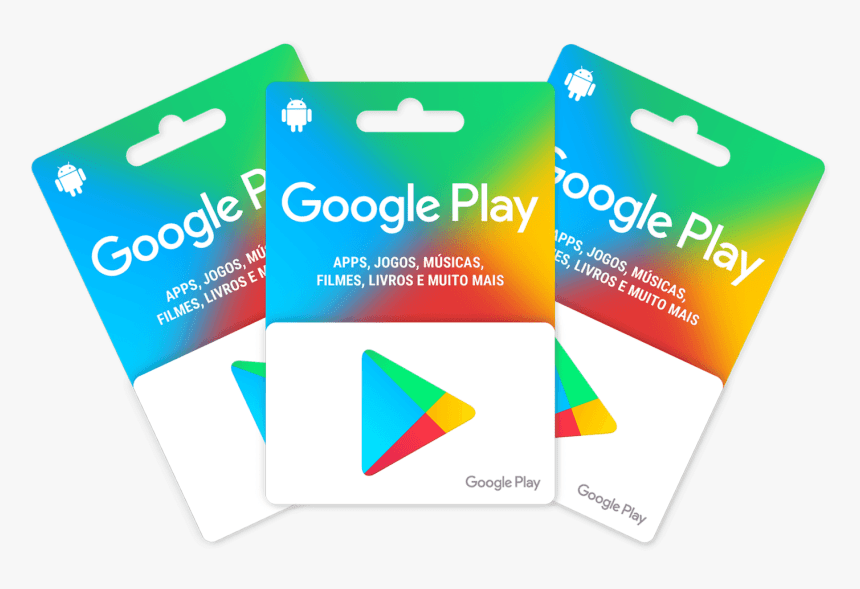
The first on our list is the Google Play gift card. Why? Because a vast majority of Cubans are Android users, do the math. Handing a Cuban a Google Play gift card is like handing them a tiny digital universe where apps, games, movies, and ebooks are all theirs to explore. This is why it is so popular in Cuba.
They are available in $5, $10, $15, $25, $50, $100, $200, and $500 denominations. Users can also use the balance to pay for in-app purchases and recurring services like YouTube Premium or Google One.
2. Tarjeta Propia Card
Tarjeta Propia is a prepaid card system used in Cuba for controlled payments in selected services and stores. Users can use it to buy goods or pay for services in designated Cuban retail environments. The balance is deducted gradually as purchases are made until it is fully used. The card is available in Cuban pesos (CUP), such as 100 CUP, 200 CUP, and 500 CUP.
For Cubans, it’s thoughtful, usable, and one of those gifts that actually sticks because it blends care with functionality for them in a way that international debit cards simply don’t.
3. La Época Gift Card
The La Época gift card has a personality of its own. La Época is one of Cuba’s most iconic department stores, known for fashion, shoes, accessories, and home goods. If you’ve ever visited La Época or seen someone talk about it, you know it’s a place Cubans actually enjoy shopping at because it’s one of the few spots with a wide variety of quality items under one roof.
Depending on the store’s internal card system and promotion, these gift cards are commonly available in 500 CUP, 1,000 CUP, 1,500 CUP, and 2,000 CUP denominations. Higher values may also be issued during special events or corporate gifting.
4. Netflix Gift Card
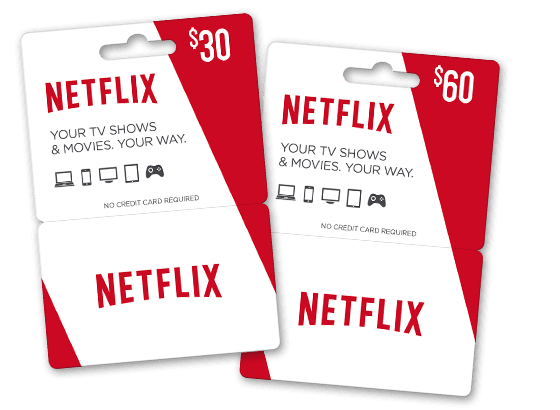
Yes, Netflix operates in Cuba too. Streaming entertainment is becoming more popular in Cuba, especially among younger people and anyone craving a break from the day-to-day grind.
Why do Cubans love them? Because Netflix gift cards allow them to subscribe or top up their Netflix account without needing a foreign credit card, which, let’s be honest, can be a headache to use there.
Netflix gift cards do have regional restrictions, but with the right setup or foreign account, Cubans can enjoy streaming without needing a credit card, making them one of the few practical digital gift cards for entertainment. With it, they can binge the latest series, catch up on movies, or explore documentaries, all on their own schedule.
These cards are available in $15, $25, $50, and $100, $200, and $500 denominations. These values can be used to cover multiple months of subscription, depending on the selected plan.
5. CIMEX Gift Certificates
CIMEX gift certificates are issued by the CIMEX corporation, which operates retail stores, supermarkets, and service centers in Cuba. These certificates work as prepaid vouchers used for purchasing goods in CIMEX-affiliated outlets. They are available in CUP denominations such as 250 CUP, 500 CUP, 1,000 CUP, and 2,000 CUP. CIMEX certificates can be used to buy groceries, household items, and personal goods in authorized stores.
6. Cubacel Gift Card
Cubacel gift cards are prepaid mobile recharge cards used to top up mobile lines in Cuba. They are issued by ETECSA, the national telecom provider, and are one of the main ways users add credit to their mobile accounts for calls, SMS, and mobile data.
These cards are commonly available in CUP recharge values such as 5 CUP, 10 CUP, 20 CUP, 50 CUP, and 100 CUP, depending on availability and promotions. Some international recharge services also allow USD-based top-ups that convert into local credit. The recharge is applied directly to the phone number once the code is entered or processed.
7. CUPET Fuel Cards
CUPET fuel cards are prepaid cards used for purchasing fuel at CUPET gas stations across Cuba. They are tied to the national fuel distribution system and help users pay for petrol and diesel without cash transactions. The balance is deducted at the point of fuel purchase until the card value is fully used.
These cards are available in 100 CUP, 250 CUP, 500 CUP, and 1000 CUP CUP-based fuel credit denominations. Rather than currency value, some cards may also be issued for fixed liters of fuel.
8. Apple Gift Card
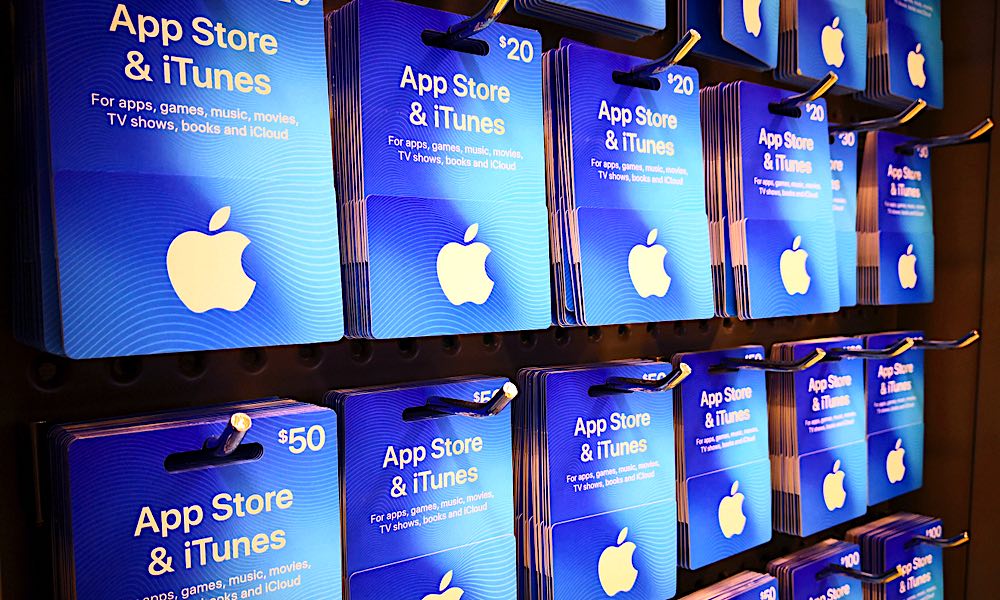
Digital services like iTunes, Apple Music, and iCloud can be accessed with Apple gift cards. These cards are typically available in international denominations such as $10, $25, $50, $100, and $200 USD. The balance is stored in the Apple account and applied to purchases automatically after the gift card is redeemed.
You can use this gift card on the Apple Store for in-app purchases, subscriptions, and digital content. The balance remains active in the account until it is fully used for eligible purchases.
9. PlayStation Gift Card
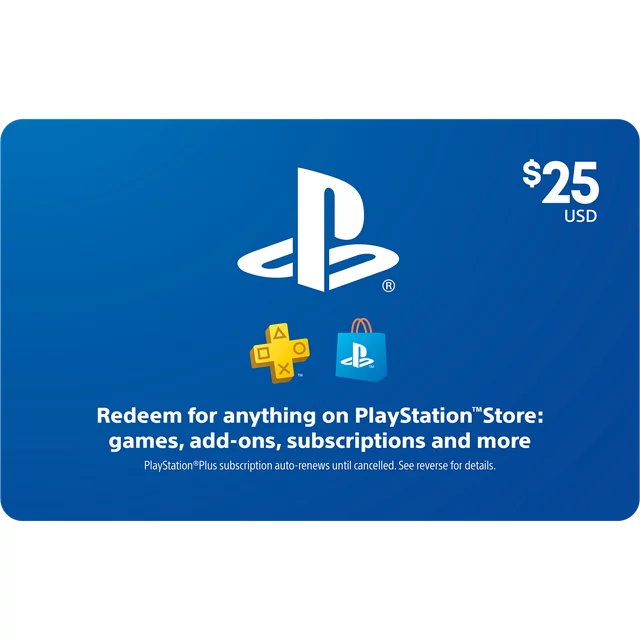
You use PlayStation gift cards on the PlayStation Store to buy games, add-ons, and subscriptions like PlayStation Plus. The cards are available in $10, $20, $25, $50, $100, $200, and $500 denominations. After you redeem the card, PlayStation adds the value to your PlayStation Wallet, and you can use it to purchase digital games and in-game content directly from your console.
Best Place To Buy and Sell Cuba Gift Cards – Prestmit
Prestmit is your best bet if you need a reliable and trusted digital trading platform where you can buy and sell Cuba gift cards. You can buy and sell popular Cuba gift cards like Apple, Google Play, Netflix, etc., without stress. The platform also supports payments in Naira, Cedis, USD, and even cryptocurrency.
You can buy any gift card of your choice on Prestmit and pay with any of the payment methods that work best for you. You can also choose any of the payment methods to receive your payment when you sell gift cards.
When you buy gift cards on Prestmit, you receive your code within minutes after payment. Selling is just as fast. Your payment is processed immediately after your gift card is verified. There is also a built-in gift card rate calculator that shows you the value of your card before you sell. The rates are competitive, which helps you get good value for your cards.
Prestmit uses SSL encryption to protect your data, along with two-factor authentication and biometric login for added security. If you ever need help, their customer support is available 24/7 to assist you at any time.
READY TO BUY OR SELL CUBA GIFT CARDS?
Download Prestmit App on Google Play Store
Download Prestmit App on the App Store
Frequently Asked Questions on Top Gift Cards in Cuba
1. Are gift cards commonly used in Cuba?
Yes, gift cards are used in Cuba mainly for mobile recharge, retail purchases, fuel payments, and international digital services.
2. Can international gift cards work in Cuba?
International gift cards like Google Play, Apple, and Netflix are usually used through accounts registered outside Cuba or via supported online access.
3. What is the most used local gift card in Cuba?
Cubacel recharge cards and CIMEX-related certificates are among the most used for daily communication and retail needs.
4. Do all gift cards in Cuba need a VPN to redeem?
No, not all gift cards in Cuba require a VPN. It depends entirely on the type of gift card and where it’s meant to be used. Local options like CIMEX, La Época, and Tarjeta Propia do not require a VPN. Some international digital gift cards (such as Google Play or Netflix) may need a VPN during redemption because of regional restrictions.
5. Where do people get gift cards in Cuba?
Most gift cards are obtained through official providers, local stores, or international online platforms, depending on the type of card.
Conclusion
Gift cards in Cuba cover many everyday needs, from topping up mobile lines and buying fuel to paying for streaming and online services. Each one serves a clear purpose, whether it’s Cubacel for staying connected or Google Play and Netflix for entertainment. They make it easier for people to pay for what they need using prepaid value.
Last updated on May 9, 2026