Table of Contents
The difference between debit cards, credit cards, and prepaid cards can be confusing, especially if you’re from a country where people use one type more than others. I used to be confused, too, because everyone around me used debit cards, so to me, a card was just a card.
That changed when I traveled to a country where credit cards and prepaid cards were just as common. I had a whole new experience figuring out which card worked where and what each one did.
A surprisingly large number of people don’t fully understand how these cards differ, and that’s completely normal. But that confusion can cost you money, affect your credit score, and even make spending more stressful than it needs to be.
Let’s fix that. Here’s a simple breakdown of the differences and how to choose the right one for you.
What Is a Prepaid Card?
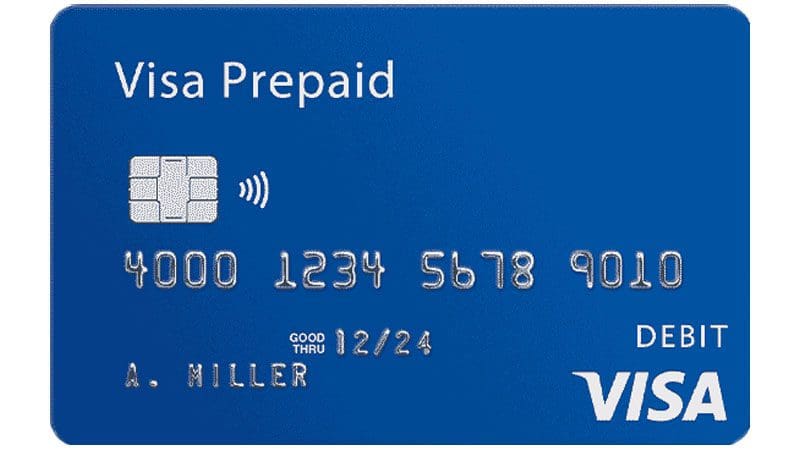
A prepaid card is a card you load with money before you spend it. You can use it to pay for goods and services wherever the card network (like Visa or Mastercard) is accepted, but you’re only spending the money you’ve already added. It doesn’t require a bank account or credit check, and it won’t affect your credit score. You just load money onto the card first, and once that balance runs out, the card stops working until you reload it.
Notably, most gift cards are prepaid cards, which are loaded with funds to enable you shop or trade.
What Is a Debit Card?
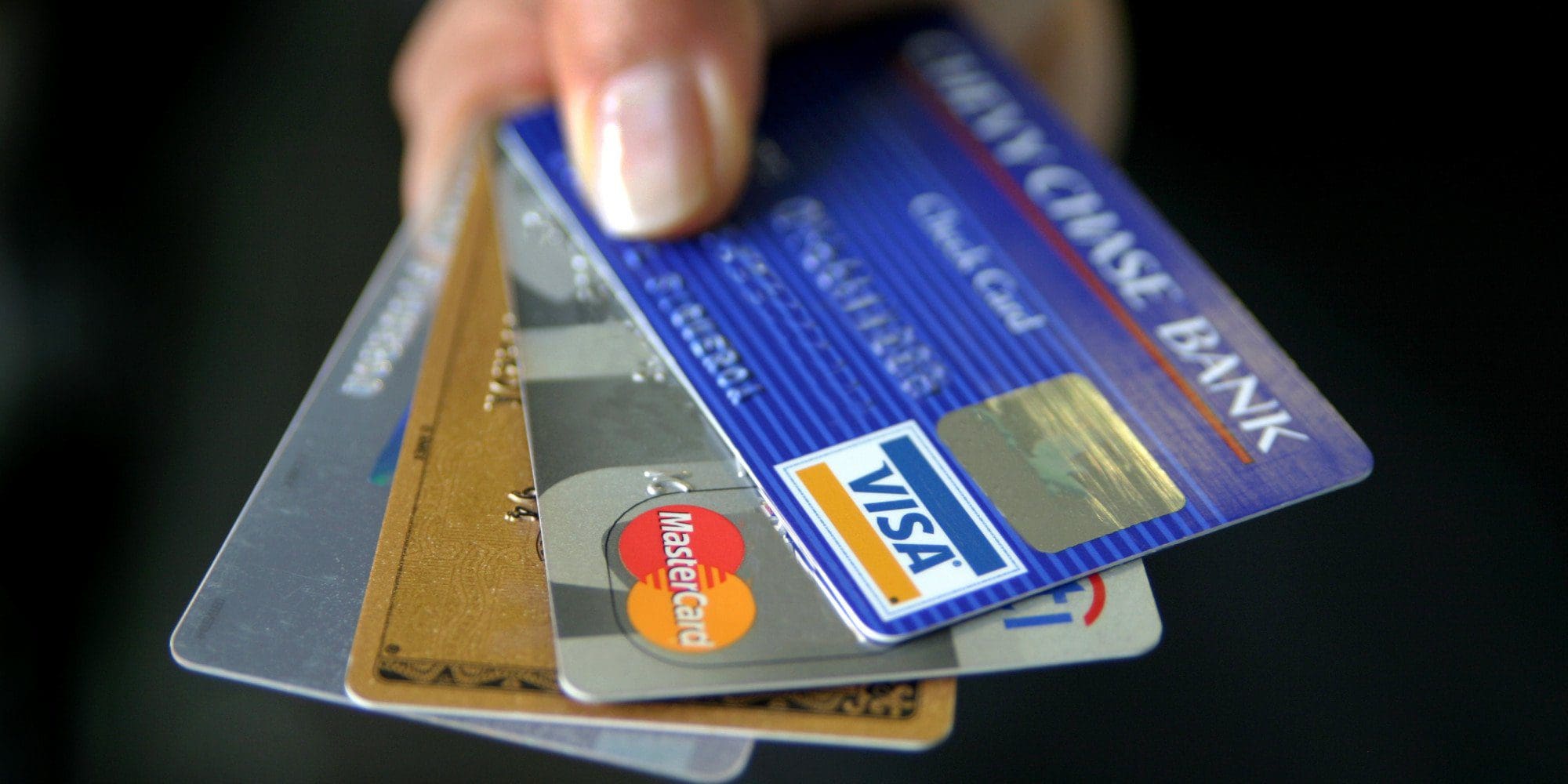
A debit card is a card linked directly to your bank account. With a debit card, payments and withdrawals are deducted immediately from the available balance in the account. They don’t let you borrow money, and using one does not affect your credit score, making them a safe way to spend your own funds.
What Is a Credit Card?
A credit card is a card that allows you to borrow money from a bank or issuer to make purchases up to a set credit limit, which you pay back later. You can repay the borrowed amount either in full or partially. When you use a credit card responsibly, it can help build your credit score. But if you don’t pay the balance on time, you’ll incur interest and late fees, which can negatively impact your credit.
Prepaid Card vs Debit Card vs Credit Card
Here are the key differences between prepaid cards, debit cards, and credit cards, based on the most important aspects.
1. Source of Funds
Let’s start by looking at where the money comes from for each card. It’s one of the most important differences when comparing a prepaid card vs debit card, and a credit card:
- Prepaid Card:
The source of funds for a prepaid card comes entirely from your own pocket; you load money onto the card before spending. You can add funds to a prepaid card in several ways, including cash reloads at retail locations, bank transfers, or mobile app deposits.
- Debit Card:
The source of funds for a debit card comes directly from your bank account balance. Whenever you make a payment or withdraw cash, the money is immediately deducted. The funds are always your own money.
- Credit Card:
The source of funds for a credit card comes from a bank or the card issuer. Here, you’re essentially borrowing money up to a pre-approved limit, which you repay later either in full or over time.
2. Requirements
Next, let’s look at what you need to get each card, because eligibility can vary:
- Prepaid Card:
To get a prepaid card, you usually need to be of legal age (typically 18+), have a valid form of ID such as a driver’s license, passport, or national ID, and a way to load money onto the card. Some cards may also ask for a phone number or email to register.
- Debit Card:
A debit card requires an active bank account. You also need to be of legal age (sometimes 16+ with parental consent), provide valid identification, and often proof of address to meet the banking requirements.
- Credit Card:
Credit cards have stricter eligibility requirements. You must be of legal age (usually 18+, sometimes 21+), you must pass a credit check, and provide proof of income or employment. Most issuers also require a bank account for billing purposes, and some cards may have minimum income requirements.
3. Features
Each type of card comes with features designed for different kinds of users. Here’s what to generally expect:
- Prepaid Card:
Prepaid cards usually come with simple but practical features focused on control and budgeting. Most offer online account tracking, allowing you to check your balance and transaction history, often through a mobile app. They also include basic fraud protection and, in some cases, direct deposit capabilities for loading money automatically.
- Debit Card:
Debit cards come with more banking-related features. They often include mobile banking integration, and some banks offer overdraft protection or link multiple accounts for easier money management. Debit cards rarely offer rewards, but some premium accounts provide small perks like cashback or discounts.
- Credit Card:
Credit cards generally have the most features and perks. They often include rewards programs, cashback, travel points, purchase protection, and fraud alerts. Many cards offer interest-free periods for purchases if balances are paid on time. Credit cards can also include benefits like travel insurance or special discounts, depending on the issuer.
4. Convenience / Acceptance
Where and how you can use your card is another major difference. This is also key when deciding which card to choose:
- Prepaid Card:
Prepaid cards are accepted at most stores and online where major card networks are accepted, including supermarkets, restaurants, ride-hailing apps, and e-commerce websites. Some subscriptions may not accept prepaid cards because they can’t hold extra charges temporarily.
- Debit Card:
Debit cards are accepted in stores, online, at ATMs, and at contactless terminals. They are accepted anywhere your bank’s card network is supported.
- Credit Card:
Credit cards have the widest acceptance, both locally and internationally. They are commonly required for hotel reservations, car rentals, airline bookings, subscriptions, and large online payments, making them the most flexible for travel and recurring expenses.
5. Fees
All three cards come with costs, but the types and amounts differ. These are the fees you should typically expect from each card:
All three cards come with costs, but the types and amounts differ.
- Prepaid Card Fees:
Some prepaid cards have purchase or activation fees, reload fees, monthly maintenance fees, ATM withdrawal fees, and sometimes inactivity fees if the card isn’t used for a while. Because fees vary widely by provider, prepaid cards can become expensive if you’re not paying attention.
- Debit Card Fees:
Debit cards generally have fewer fees compared to prepaid and credit cards. Common charges include ATM fees (especially when using out-of-network ATMs) and foreign transaction fees. Some banks may also charge account maintenance fees.
- Credit Card Fees:
Credit cards can have higher and more complex fees. These may include annual fees, interest charges if you don’t pay your balance in full, late payment fees, foreign transaction fees, and cash advance fees. While some credit cards offer fee-free options, misuse can make them the most expensive card type.
6. Card Limitations
Finally, let’s look at spending limits and restrictions that might affect your everyday use:
- Prepaid Card:
Prepaid cards come with more restrictions than other card types. Spending is limited to your loaded balance, and some cannot be used for hotel bookings, car rentals, or subscriptions, especially where merchants need to place temporary holds.
- Debit Card:
Debit cards are limited by the available balance in your bank account. If there isn’t enough money, the transaction will fail unless overdraft protection is enabled to extend it slightly.
- Credit Card:
Credit cards are limited by a credit limit set by the issuer. Once that limit is reached, transactions are declined until you repay the full balance or part of it.
How to Choose the Right Card
1. Your spending style and budget control
If your priority is sticking to a budget and only spending money you already have, prepaid and debit cards are often the safest options. Prepaid cards work especially well if you don’t have a bank account or prefer strict spending limits, while debit cards give you direct access to your bank balance for everyday purchases.
2. Access to a bank account
Your access to a bank account also plays a role. If you already have one, a debit card is usually the most convenient choice, letting you pay bills, shop online, and withdraw cash without borrowing. If you don’t, a prepaid card can still offer card-based payments without the need for traditional banking.
3. Credit building and rewards
If building credit or earning rewards matters to you, a credit card may be worth considering. If used responsibly, it can help improve your credit history and unlock benefits like cashback or travel perks. The key is being comfortable with paying off balances on time to avoid interest and fees.
4. Where and how you plan to use the card
Finally, think about your everyday use cases, such as online shopping, international travel, subscriptions, or hotel bookings. Credit and debit cards are more flexible and widely accepted. Prepaid cards can still be useful, but they may come with limitations for certain transactions.
When you look at these factors together, the right card becomes clearer. It’s not about choosing the best card overall, but the one that fits your spending habits, financial goals, and lifestyle.
Frequently Asked Questions (FAQs) on Prepaid Card, Debit Card, and Credit Card
1. What’s the difference between prepaid cards, debit cards, and credit cards?
The main difference between them is where the money comes from and how it is used. Prepaid cards use funds you load in advance. Debit cards draw directly from your bank account, and Credit cards allow you to borrow money from the card issuer up to a set limit, which you repay later.
2. Which card is safest to use online?
Credit cards are generally the safest to use online because they offer the strongest fraud protection compared to debit or prepaid cards. With a credit card, unauthorized charges don’t come directly out of your own balance, and most card issuers make it easy to report and resolve fraudulent charges.
3. Can I withdraw cash with all three cards?
Yes, you can, but it varies: prepaid cards may allow ATM withdrawals but could have limits and fees, debit cards allow you to withdraw from your bank account, and credit cards can be used for cash advances.
4. Can using these cards affect my credit score?
Not all three of them. Prepaid and debit cards don’t affect your credit score, since transactions aren’t reported to credit bureaus. Only credit cards can affect your credit, for better or worse, depending on whether you pay on time and manage your balance responsibly.
Conclusion
Prepaid cards, debit cards, and credit cards each have their own strengths and limitations. Once you understand how each one handles money, fees, and credit, choosing the right card becomes much easier. The right card is the one that fits your spending habits, financial goals, and comfort with credit.
By knowing the differences, you can confidently pick the option that supports your money life, instead of stressing it.
Last updated on February 3, 2026