Table of Contents
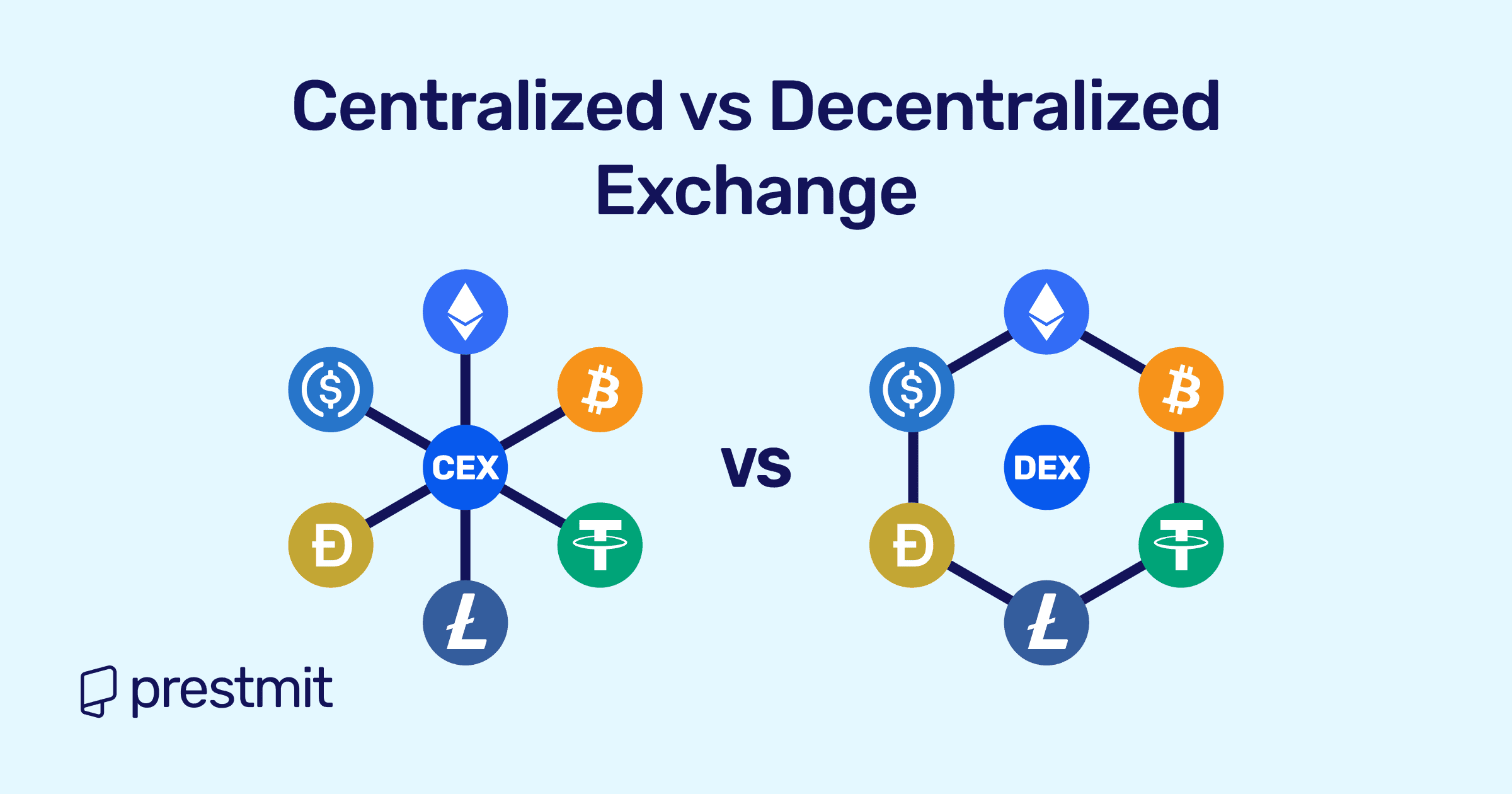
Cryptocurrency trading has grown into a global ecosystem with millions of users moving digital assets every day. But before anyone buys, sells, or swaps a coin, they must choose a platform and this decision usually comes down to two major options: centralized exchanges (CEXs) and decentralized exchanges (DEXs).
Both platforms allow users to trade crypto, but they operate in completely different ways. As such, this article explores the differences between centralized and decentralized exchanges.
What Are Centralized Exchanges?
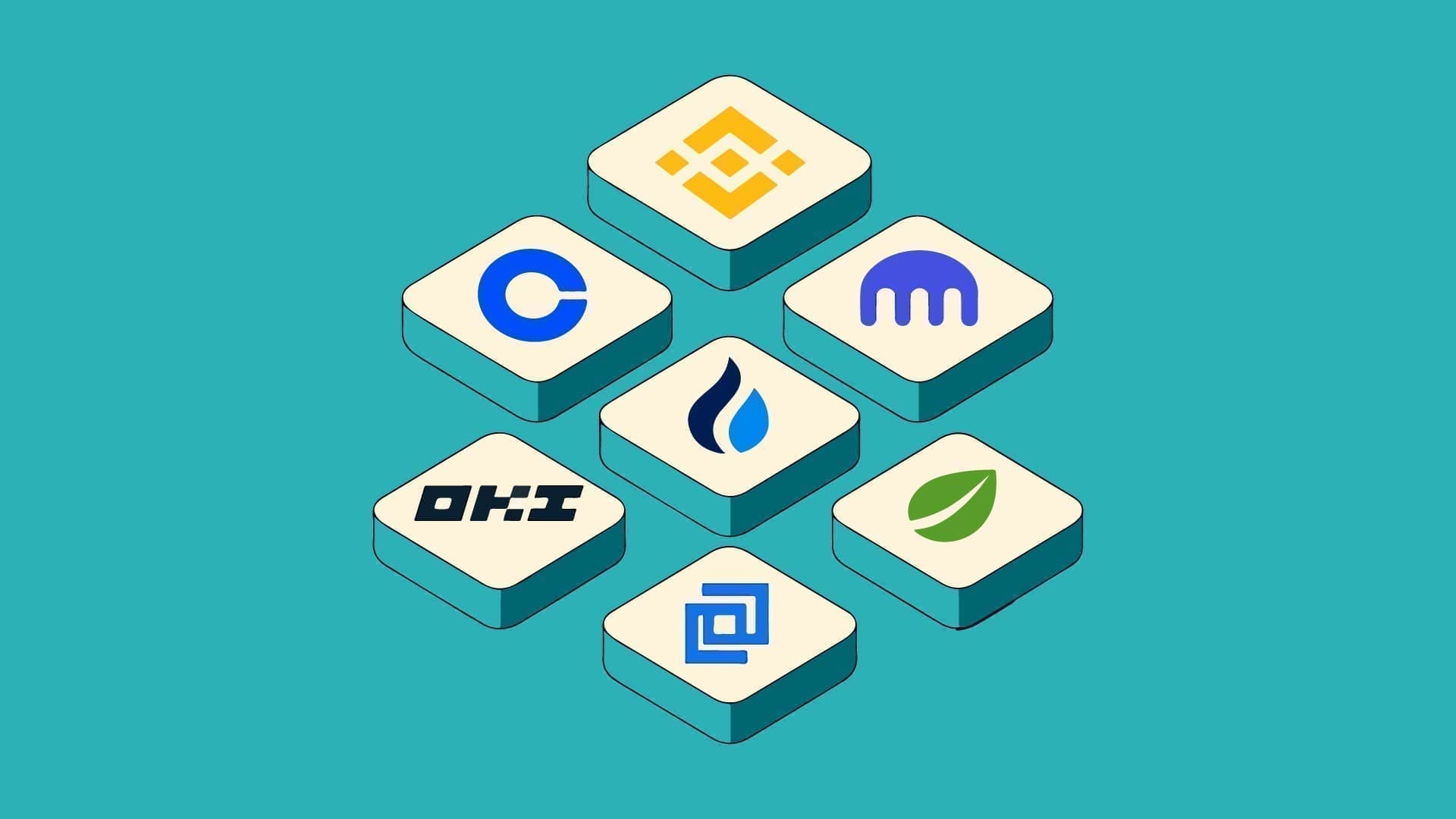
Centralized exchanges (CEXs) are crypto trading platforms run by a company that manages the entire trading process on behalf of users. Think of them as the “banks” of crypto, highly organized, easy to use and built to make buying or selling digital assets as simple as clicking a button.
When you open an account on a centralized exchange, you deposit your funds into the platform’s custody. The exchange then processes your trades internally, matches buyers with sellers, and maintains your account.
Platforms like Binance, Coinbase, and Kraken became popular because they eliminate the complexity of direct exchange with blockchain networks. But this convenience comes with a trade-off: the exchange controls your funds. It holds your assets, stores your data, and becomes the central point of trust and risk.
What Are Decentralized Exchanges?
Decentralized exchanges (DEXs) are crypto trading platforms that operate without a central authority. Unlike centralized exchanges, DEXs allow users to trade directly from their own wallets, giving them full control over their funds and private keys. There’s no intermediary managing transactions, trades are executed through smart contracts on the blockchain.
This structure offers greater privacy, transparency, and security since users retain control of their assets at all times. Popular examples include Uniswap, PancakeSwap, and dYdX, which provide access to a wide variety of tokens without requiring KYC verification.
With DEXs, there is reduced reliance on third parties, minimized hacking risk, and greater financial autonomy. However, they can be less user-friendly for beginners, they have lower liquidity than major centralized exchanges, and often require users to pay blockchain network fees for each transaction.
With both types of exchanges defined, the next step is to examine how they differ in practice.
Centralized Exchanges vs Decentralized Exchanges: Key Differences
Below are the major distinctions that define how CEXs and DEXs work and what you can expect when using them.
1. Custodial vs Non-Custodial Wallets

Centralized exchanges hold user funds in platform wallets, while decentralized exchanges let users trade directly from their own wallets, keeping full control of their assets.
2. User Control
Centralized exchanges manage private keys, making trading simpler but requiring trust in the platform. Decentralized exchange on the other hand gives users full control over their keys and funds, but they must manage security themselves.
3. Liquidity and Speed
Centralized exchanges usually offer higher liquidity and faster trades. Decentralized exchanges can experience lower liquidity, which may cause delays or slippage especially for smaller tokens.
4. Fees
Centralized exchanges charge trading and withdrawal fees, often predictable but decentralized exchanges rely on blockchain network fees, which can fluctuate based on network activity.
5. KYC and Compliance
Centralized exchange enforces KYC and AML rules, which increases compliance but reduces privacy. Decentralized exchanges generally do not require KYC, allowing users to trade without revealing personal information.
6. Risk Exposure
CEXs are targets for hacks due to centralized custody. DEXs reduce this risk but are vulnerable to smart contract flaws or malicious projects.
7. Supported Assets
Centralized exchanges typically list popular cryptocurrencies and maintain strict listing criteria, and stable selection. Decentralized exchanges provide access to a wider variety of tokens, including new and niche projects.
8. Trading Features
Centralized exchanges provide advanced options like margin, futures, staking, and copy trading. Decentralized exchanges mainly focus on spot trading and liquidity pools and automated market making, with fewer advanced options.
Centralized Exchanges vs Decentralized Exchanges: Which Should You Choose?
Choose CEX When You Want:
1. Direct fiat-to-crypto conversion
Centralized exchanges connect directly to banks and payment processors. You can deposit dollars, euros, or naira and convert to crypto instantly. If you need an easy on-ramp from traditional money into digital assets, CEX makes it simple.
2. Reliable customer support
If something goes wrong, there is a support team that can be reached. Account recovery, password reset, and other issues can be resolved internally.
3. Advanced trading tools
The CEX platforms have margin trading, futures, stop-limit orders, APIs, and algorithmic trading tools. These platforms are useful if you are a professional trader or if you are an active trader.
4. Deep liquidity for large trades
Having high liquidity ensures that spreads are tight and that there is less slippage involved in trading. It is therefore possible to buy or sell large volumes without significantly affecting the market.
5. A structured, familiar interface
CEX dashboards feel similar to stock trading platforms. Charts, order books, portfolio tracking, everything sits in one place. For users coming from traditional finance, the experience feels predictable and organized.
Choose DEX When You Prioritize:
1. Full custody of your funds
On a DEX, you control your private keys. Your assets stay in your wallet until the moment you trade. There is no central party holding your funds, which removes exchange custody risk.
2. Privacy and minimal identity checks
Most DEX platforms require no KYC. You connect a wallet and trade directly. If financial privacy matters to you, decentralized exchanges preserve it by design.
3. Early access to new or niche tokens
Many new tokens launch first on decentralized exchanges. You gain exposure before centralized platforms list them. This early access can mean higher opportunity—but also higher risk.
4. Participation in DeFi ecosystems
DEXs connect you to staking, yield farming, liquidity pools, and governance voting. You don’t just trade—you participate in decentralized finance. That opens doors beyond simple buying and selling.
5. Avoiding centralized intermediaries
DEXs remove the middleman. Trades are executed through smart contracts instead of a company. If you believe in decentralization and censorship resistance, this model aligns with that philosophy.
Frequently Asked Questions (FAQs) About Centralized vs. Decentralized Exchange
1. Which type of exchange is better for beginners?
Centralized exchanges are better for beginners. They offer intuitive interfaces, and simplified processes, making it easier to start trading without technical knowledge.
2. Why do centralized exchanges require KYC?
KYC (Know Your Customer) is required to comply with financial regulations and prevent money laundering, fraud, and other illegal activities.
3. Do decentralized exchanges charge trading fees?
Yes, DEXs charge fees in the form of blockchain network for executing trades. These fees vary depending on network congestion.
4. Are DEX transactions anonymous?
Mostly yes. Decentralized exchanges don’t require KYC, so trades can be made without revealing personal information, though blockchain transactions are still publicly recorded.
5. Do I need a crypto wallet to use a DEX?
Yes. Since decentralized exchanges are non-custodial, you need a compatible wallet to hold your funds and interact with the platform.
Conclusion
The debate between decentralized vs centralized crypto systems isn’t about superiority. It’s about control, trust, liquidity, and regulation. Centralized exchanges deliver structure and speed. Decentralized exchanges deliver autonomy and transparency.
Understanding centralized vs decentralized cryptocurrency exchanges, what you should know, allows you to trade strategically instead of emotionally.
Choose based on your goals. Use both when necessary. Master the tools instead of defending one side.
Start evaluating platforms directly and compare their security, fees, and custody models today. Build your crypto strategy with clarity and control.
Last updated on March 7, 2026