Table of Contents
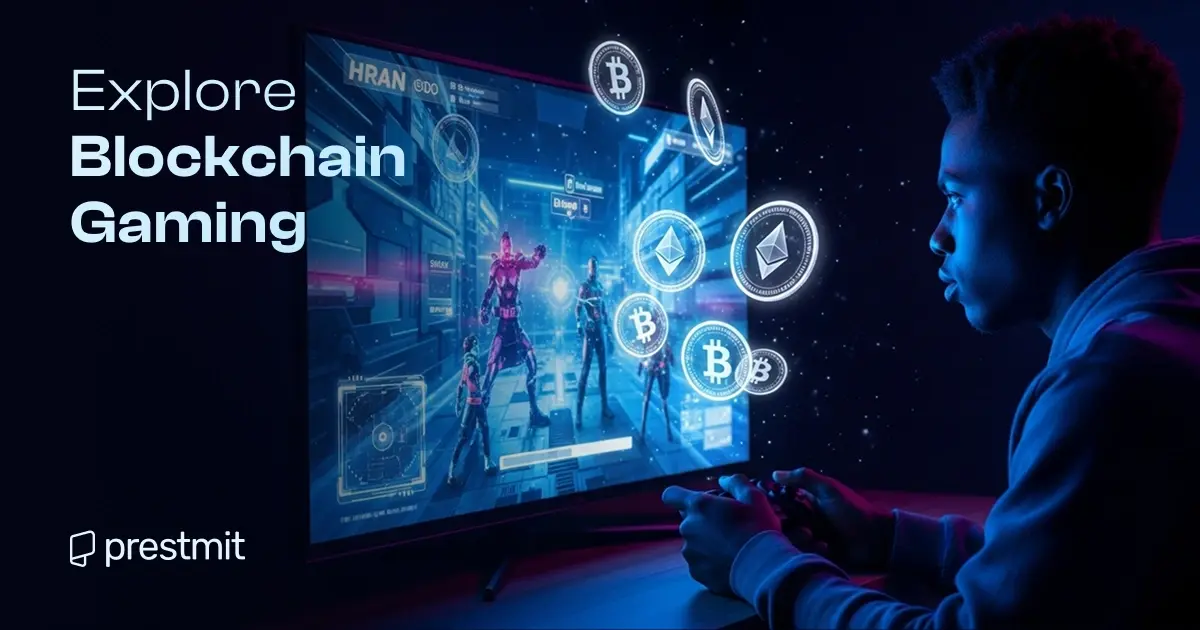
The gaming industry has grown into a multi-billion-dollar global phenomenon, but a new wave of innovation is reshaping it completely. Blockchain technology, best known for powering cryptocurrencies like Bitcoin and Ethereum, is now being applied to gaming to offer players more control, transparency, and value for their time and assets.
Blockchain gaming allows players to truly own their in-game items, trade them freely, and even earn rewards that have real-world value. This has created a new genre known as “play-to-earn,” which has rapidly gained traction across the globe, including in Africa and Nigeria.
In this article, we’ll discuss everything you should know about blockchain gaming.
What Is Blockchain Gaming?
Blockchain gaming is the integration of blockchain technology into video games to manage digital assets, currencies, and in-game items on decentralized networks. Unlike traditional games where the developer controls all assets, blockchain games allow players to own tokens or NFTs representing in-game items.
This decentralization ensures transparency, security, and real ownership. Players can trade, sell, or transfer their assets outside the game environment. It also opens opportunities for earning cryptocurrency while playing, introducing a financial dimension to gaming that traditional games rarely offer.
Key Features of Blockchain Gaming
1. True ownership of assets
In blockchain games, items like skins, weapons, or collectibles are stored as digital tokens on a blockchain. This means players truly own these assets and can sell, trade, or transfer them independently of the game developer.
Unlike traditional games, where items exist only in-game, blockchain ensures that ownership persists even if the game shuts down.
2. Play-to-earn mechanics
Many blockchain games allow players to earn tokens or NFTs by completing missions, winning battles, or participating in events. These rewards can be converted to cryptocurrency or even used in other blockchain games, creating a new type of in-game economy. Play-to-earn models give players tangible value for their time and skills.
3. Interoperability
Some blockchain games support cross-platform and cross-game asset usage. For instance, an NFT earned in one game can be used in another, provided both games operate on the same blockchain network. This interoperability creates a more dynamic and connected gaming ecosystem.
4. Transparency and security
Blockchain records every transaction publicly, making it transparent and verifiable. This reduces fraud and cheating, as players can independently verify the authenticity of assets and trades. Security is enhanced because assets are stored on decentralized networks rather than a single game server.
Popular Blockchain Games and Platforms
1. Axie Infinity
Axie Infinity is one of the most well-known blockchain games globally. Players collect, breed, and battle creatures called Axies, which are represented as NFTs. The game also features a play-to-earn system where players earn the Smooth Love Potion (SLP) token, which can be exchanged for cryptocurrency.
2. Decentraland
Decentraland allows users to own and trade virtual land as NFTs. Players can build, explore, and monetize virtual spaces. The platform also uses its cryptocurrency, MANA, for transactions, allowing players to earn real-world value from virtual activities.
3. The Sandbox
The Sandbox provides a virtual gaming universe where players can create, own, and monetize gaming experiences using NFTs and SAND tokens. Players can design games, build assets, and sell them in the marketplace, creating opportunities for creativity and income.
Other Notable Platforms
Other blockchain-based games include Gods Unchained, Illuvium, and Splinterlands. Each focuses on different gaming genres, from card battles to RPGs, but all share the core principle of blockchain-based ownership and rewards.
How Blockchain Changes Game Ownership
1. Digital ownership beyond the game
In traditional games, in-game assets are controlled by the developer. Players cannot transfer or sell them outside the game. Blockchain gaming changes this by turning items into tokens or NFTs that exist independently on a blockchain. This ensures players have true ownership and control.
2. Tradeable and monetizable assets
Players can trade NFTs and tokens on marketplaces for cryptocurrency. This means the time and effort invested in the game can generate real-world value. The concept of “gaming as an investment” is now possible, particularly in regions like Nigeria where blockchain gaming is gaining popularity.
3. Reduced developer control
Developers cannot arbitrarily delete or manipulate assets because blockchain is decentralized. Players have more confidence in the longevity and security of their holdings, which encourages long-term engagement and investment in the game.
Challenges Facing Blockchain Gaming
1. High entry costs
Many blockchain games require players to purchase NFTs or tokens upfront, which can be expensive. For example, buying starter Axies in Axie Infinity initially required a significant investment, creating a barrier for casual gamers.
2. Scalability issues
Blockchain networks sometimes struggle to process high volumes of transactions quickly. This can lead to delays, high transaction fees, and frustrating user experiences. Ethereum-based games, in particular, have faced these challenges due to network congestion.
3. Regulatory uncertainty
Blockchain games involve cryptocurrency transactions, which may attract government scrutiny. Players and developers must navigate regulatory frameworks that vary by country, which can create uncertainty for market participants.
4. Security risks
While blockchain is generally secure, scams, phishing attacks, and hacking attempts remain a risk. Players must take precautions to protect their wallets and private keys, as losing access to these means losing their digital assets permanently.
The Future of Blockchain Gaming
Mainstream Adoption
As technology improves and more gamers become familiar with blockchain, adoption is expected to rise. Lower fees, faster transactions, and easier onboarding will attract both casual and professional gamers.
Integration with Traditional Games
Some traditional game developers are exploring hybrid models, incorporating blockchain elements into existing titles. This could bring play-to-earn mechanics and true asset ownership to mainstream audiences without needing entirely new games.
Expansion of Play-to-Earn Economies
Blockchain gaming is creating digital economies that mirror real-world markets. Future developments may include lending, staking, and other financial mechanics, allowing gamers to earn more sophisticated income streams from their gaming activity.
Technological Innovations
Layer-2 solutions, cross-chain interoperability, and improved wallets will make blockchain games faster, more secure, and more user-friendly. These advancements will likely drive the next wave of blockchain gaming growth.
Frequently Asked Questions (FAQs) on Blockchain Gaming
1. Do I need cryptocurrency to start playing blockchain games?
It depends on the game. Some require players to purchase NFTs or tokens upfront, while others allow free entry and reward players with crypto over time.
2. Can I sell my in-game assets for real money?
Yes. Blockchain gaming enables players to sell NFTs and tokens on marketplaces for cryptocurrency, which can then be converted to fiat money.
3. Are blockchain games safe to play?
Blockchain games are generally secure, but you must protect your wallet, private keys, and be cautious of phishing scams. Always use verified platforms and marketplaces.
4. What platforms are best for beginners?
Games like The Sandbox and Decentraland offer lower entry barriers and easy-to-understand interfaces, making them suitable for beginners.
5. Will blockchain gaming replace traditional gaming?
Not entirely. It is more likely to coexist with traditional games, offering new models of ownership and earning while complementing existing gaming experiences.
Conclusion
Blockchain is creating a more transparent and rewarding gaming ecosystem by giving players true ownership of in-game assets, the ability to earn cryptocurrency, and opportunities for cross-game interactions. Despite challenges like high entry costs, scalability issues, and security risks, the industry continues to grow rapidly.
Platforms like Axie Infinity, Decentraland, and The Sandbox illustrate the possibilities of blockchain-based gaming. As technology evolves, blockchain gaming could become a mainstream component of the global gaming market, offering new ways to play, earn, and own.
Last updated on February 23, 2026