Table of Contents
Binance P2P exchange allows you to buy and sell cryptocurrency directly with other users using your preferred payment method and local currency. Over time, scammers have targeted unsuspecting users on Binance P2P, using different tactics to swindle users out of their money.
Although Binance provides tools to help protect users, there’s a level of responsibility that falls on you as a user to protect yourself from scammers. Whether you are a buyer or a seller, knowing how to stay safe can protect your money and peace of mind. In this article, we’ll discuss how to stay safe when using Binance P2P and common avoid red flags to avoid to make your experience safer on the platform.
Understanding Binance P2P Trading
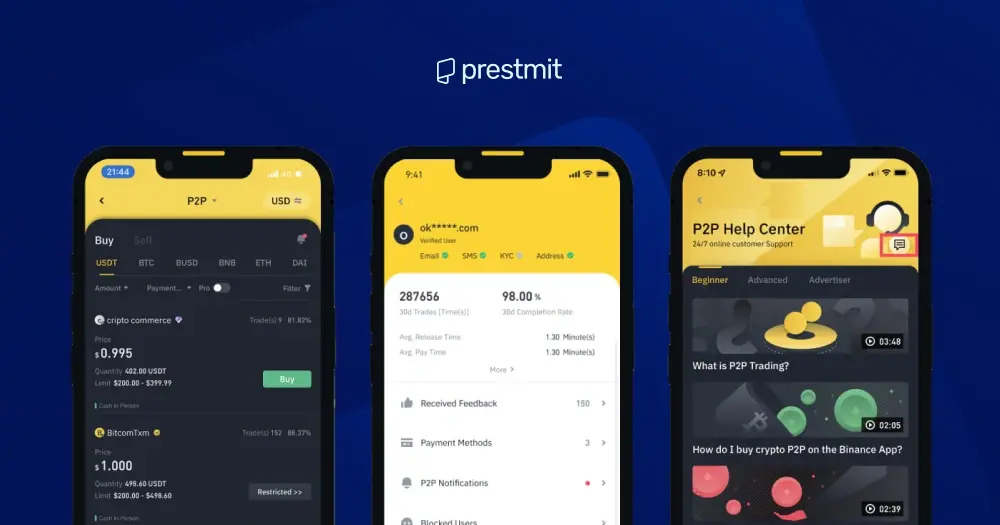
Binance P2P is a platform that allows users to trade cryptocurrency directly with each other without intermediaries. Users post offers to buy or sell crypto, and others respond instead of going through an exchange market feed. Once a trade is initiated, Binance holds the crypto involved in the transaction in an escrow system.
This escrow is designed to protect both the buyer and the seller by ensuring that the crypto is only released when the payment is confirmed. If any dispute arises, Binance can step in and help resolve it with the evidence available in the platform chat.
Essential Safety Tips for Binance P2P Users
1. Always use Binance’s escrow system
Binance’s escrow service holds the seller’s crypto until both sides confirm that the transaction is complete. This means the crypto won’t be released until payment is verified in your bank or wallet. Avoid offers that ask you to communicate or complete payments outside the Binance platform, such as on WhatsApp or Telegram. Scammers make these off-platform deals to avoid Binance oversight and use fake payment proofs to trick you into releasing crypto too early.
2. Verify payment before releasing crypto
Fake payment proofs are one of the most common tricks scammers use. They may send fake screenshots or messages claiming that you’ve been paid. Screenshots can easily be faked, so never rely on them alone.
Always confirm that the actual funds have been credited to your bank account or chosen payment method. Open your bank app or wallet to double-check the balance before you release your crypto. Don’t mark the trade as complete if the payment hasn’t been credited to your account.
3. Enable two-factor authentication (2FA)
Two-factor authentication (2FA) adds an extra layer of safety by requiring a unique code from an authenticator app or SMS, making it harder for anyone else to access your account. In addition to 2FA, use a strong, unique password and avoid using the same password across multiple platforms. Even if the Binance P2P interface is secure, your account isn’t safe if someone gains access to your login details.
4. Trade with verified and high-rated users
Always check the other party’s profile before engaging in any trade. Look for users with many completed trades and positive feedback. Verified merchants or traders with long histories are generally more trustworthy. Small or newly created accounts with few or no ratings are riskier, as scammers usually use new profiles to avoid detection.
5. Keep communication inside Binance
All messaging related to the trade should stay in Binance’s official chat system. Binance monitors these chats and can use them as evidence in disputes. If someone pushes you to continue the conversation on a different platform, treat it as a warning sign. Chat logs within Binance are important proof if you need to open a dispute or report suspicious behavior.
Red Flags and Common Scam Tactics
1. Fake proof of payment
Scammers usually send screenshots or images of completed bank transfers. These can be edited images or fake confirmations from cloned apps. Always confirm payments from your banking app or wallets as screenshots are not reliable proof of actual payment.
2. Pressure to act quickly
Another common red flag to watch out for is pressure. A buyer might claim they’re in a hurry and ask you to release your crypto before you’ve had time to confirm payment. High pressure and insistence on doing everything quickly are classic red flags.
3. Mismatch between bank account and Binance account names
Always proceed with extra caution if the payment is made from a bank account that doesn’t match the Binance user’s registered name. Scammers sometimes use stolen or third-party bank accounts, which can later be reversed or disputed, leaving you with no crypto and no payment.
4. Overpayment scams and refund requests
Scammers can send a payment that’s more than the amount agreed upon and then ask you to refund the extra. After you refund, they may reverse the original payment, leaving you without both the refund and the crypto. Never refund extra amounts until you’ve verified the full payment in your account.
5. Impersonation of Binance support staff
Scammers may contact you pretending to be Binance support, asking for sensitive information like passwords, OTP codes, or wallet details. Official Binance support will never ask for credentials through private messages or chat. Always use the built-in support options on the Binance app or website.
Tools and Features That Help Keep You Safe
1. Escrow protection
Every Binance P2P trade goes through the platform’s escrow system. This is a major safety feature designed to hold crypto securely until all conditions of the trade are met by both parties. This allows Binance to intervene if something goes wrong.
2. User ratings and verification levels
Binance shows how many trades a user has completed, their success rate, and whether they are a verified merchant. Higher ratings usually mean better reliability. Always choose traders with strong histories and good feedback as this increases your chances of a smooth trade.
3. Report and appeal tools
If you suspect something is wrong during a trade, Binance has built-in options to report or appeal the transaction. Providing screenshots of conversations, payment proofs, and bank receipts helps support teams investigate and resolve disputes.
4. Account security settings
Binance offers several security settings like 2FA, device management, email alerts, and withdrawal protection. These tools are designed to protect your account from unauthorized access and keep your funds safe.
How to Report Suspicious Activity
If you believe someone is trying to scam you, don’t ignore it. Binance encourages users to report suspicious behavior immediately. You can find reporting tools on the trade order page or in the user’s profile.
Make sure you provide as much evidence as possible when reporting such as screenshots of chats, payment proof attempts, bank transfers, and anything else relevant. The Binance support team will review it and may freeze the other party’s account or take further action if the rules are violated.
Frequently Asked Questions (FAQs) on How to Stay Safe When Using the Binance P2P Exchange
1. Is Binance P2P safe to use?
Yes. Binance P2P has built-in safety features like escrow protection and verified trader profiles, but you still need to trade carefully and follow safety practices.
2. What should I do if someone tries to move communication off the platform?
Never move chats or trade details off Binance. It is likely a scam attempt if someone insists on using external apps like WhatsApp or Telegram.
3. Should I trust screenshots of payment proof?
No. Screenshots can easily be manipulated. Always verify that the payment is reflected in your actual bank account or payment app.
4. Can Binance help if I’m scammed?
Yes. Binance provides dispute and appeal tools. If you have evidence, Binance can investigate and may help recover funds or take action against scammers.
5. How can I secure my Binance account?
Use strong passwords, enable two-factor authentication (2FA), and turn on all recommended security settings to protect against unauthorized access.
Conclusion
Binance P2P offers a flexible and easy way to trade cryptocurrency directly with other users. It offers tools and features like an escrow system, trader reputation features, and internal reporting to keep users safe from scammers. Yet, safety ultimately depends on you.
Always confirm payments independently, avoid off-platform communication, check trader ratings, keep records, and secure your account. Staying informed and cautious helps you protect your funds and trade confidently on Binance P2P.
Last updated on February 24, 2026