Table of Contents
The US dollar is one of the most widely recognized and accepted currencies in the world. Holding a portion of your savings in dollars can allow you to preserve value, make international transactions easily, and maintain a stronger savings base compared to holding all your funds in local currency.
In Nigeria, many people are discovering that keeping some savings in dollars can be a smart addition to their financial plan. You don’t even need to be wealthy or have a foreign bank account to do it; with the right approach and simple tools, anyone can start building a dollar-based savings cushion.
By the end of this article, you’ll know how to save in dollars in Nigeria safely and legally, and how to protect your savings, without leaving Nigeria.
Why Save in US Dollars?
Here are a few key reasons why keeping some savings in dollars can be helpful:
1. Global Acceptance
The dollar is recognized almost everywhere. This means you can use your savings abroad, or exchange them easily without losing much value, whether for travel, education, or business.
2. Financial Flexibility
Having dollars alongside Naira gives you more options. You can access funds when you need them, plan for major expenses, or respond to opportunities without affecting your daily spending in Naira.
3. Supports Long-Term Goals
Dollar savings make it easier to think ahead. Whether you want to invest, start a business, or fund an education abroad, holding a stable, widely accepted currency helps you plan without constantly worrying about sudden local currency changes.
Best Ways to Save in Dollars in Nigeria Today
Saving in dollars can be done in a few practical ways. Some are traditional, like banks, while others are faster and more flexible for everyday people.
Here are simple ways you can do it:
1. Buy Gift Cards to Save in Dollars
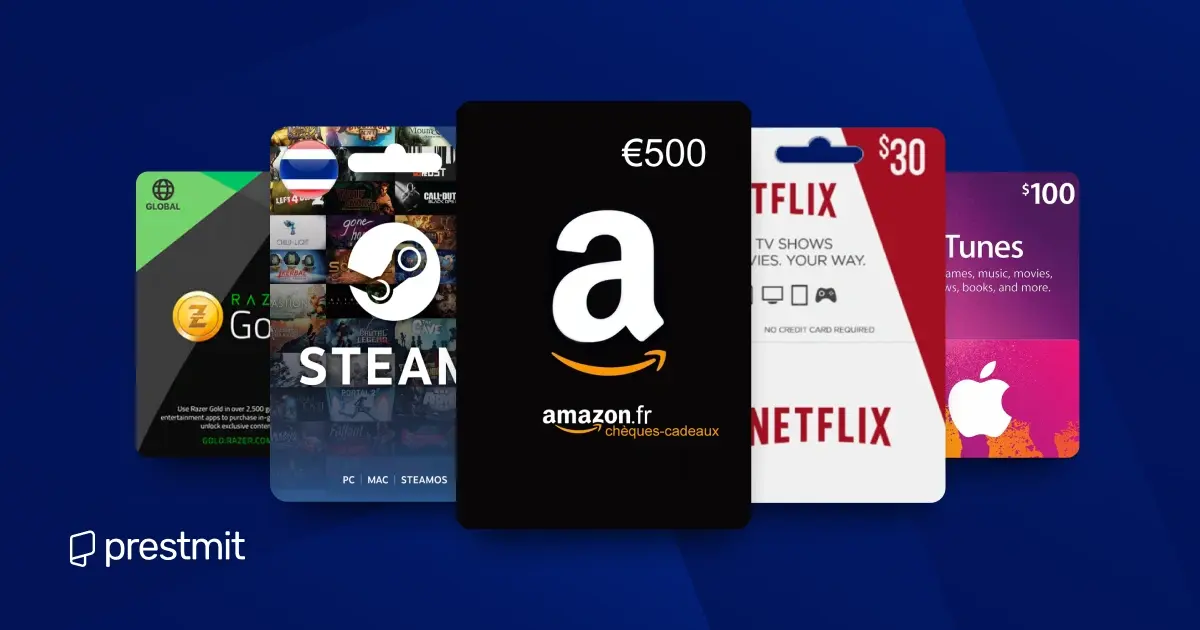
One of the simplest ways to hold dollar value is through international gift cards. Certain gift cards are denominated in USD, and when you buy gift cards on reliable, regulated platforms like Prestmit, you effectively turn your Naira into a dollar-linked asset. You can hold these gift cards as a form of dollar savings, and when you need local currency, you can easily convert gift cards to Naira on Prestmit.
That way, you get instant access without waiting in the bank or forex queues. This method is fast, flexible, and doesn’t require a traditional bank account, making it ideal for anyone looking for accessible dollar exposure.
2. Use Crypto for Dollar-Linked Savings
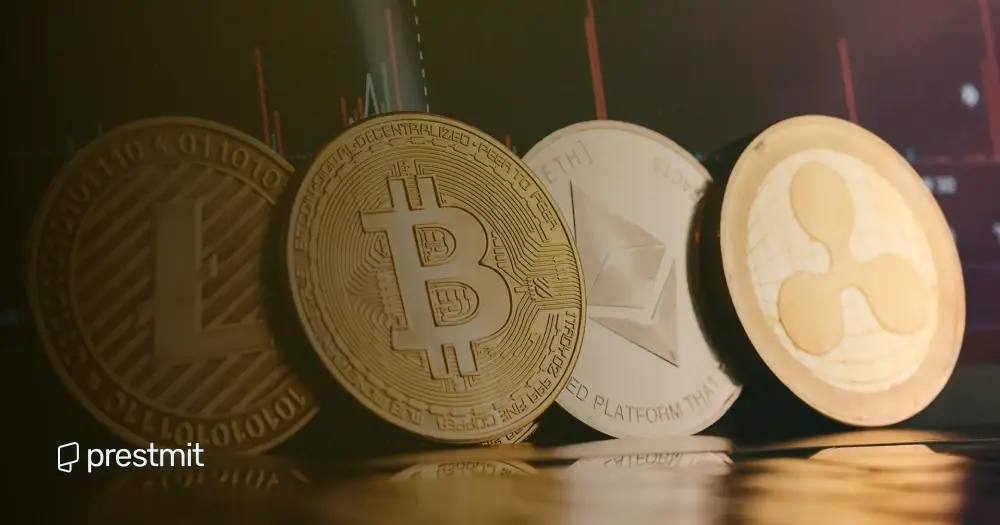
Buying crypto is another very practical and often overlooked option for saving in dollars. Some stablecoins like USDT or USDC are pegged to the US dollar, meaning their value stays very close to $1.
This allows your savings to remain stable while still giving you digital access. You can hold these coins in a secure, regulated wallet or platform and sell your crypto for Naira when needed, with platforms like Prestmit supporting these transactions.
Bitcoin can also be used as a longer-term hedge. While it isn’t pegged to the dollar like USDT and USDC, it can still store value in USD terms and later be sold for Naira when market conditions are favorable. This method is ideal for savers who want digital dollar exposure, liquidity, and flexibility without relying on a bank
3. Open a Domiciliary Account
A domiciliary account is a foreign currency bank account where you can receive, hold, and withdraw dollars. Opening one can be a bit more rigorous than a regular Naira account, but it’s still possible at most major Nigerian banks, including GTBank, Access Bank, Zenith Bank, First Bank, and UBA.
Typical requirements to open it include documents like:
- Valid ID (passport, driver’s license, national ID)
- BVN (Bank Verification Number) and NIN (National Identification Number)
- Proof of address and passport photos
- Completed account forms, which may sometimes include extra requirements like references
Once your account is open, you can fund it by:
- Receiving USD from abroad, whether from family, clients, or business partners
- Converting Naira to dollars at a licensed forex dealer
This is best suited for people who want a formal, fully regulated bank account for holding and doing transactions in USD.
4. Save Using Dollar-Based Fintech Wallets
Some fintechs, like PiggyVest Flex Dollar, Cowrywise Dollar Funds, Risevest, and Chipper Cash, allow you to save or invest in USD directly without visiting a bank, and even use dollars for online payments or subscriptions.
These apps allow you to create a virtual dollar wallet, receive and hold USD directly, convert Naira to USD digitally, and pay subscriptions or transfer dollars globally. They are ideal if you want dollar exposure and growth potential, but may require minimum holding periods or specific investment conditions.
Key Considerations Before Saving in US Dollars
Saving in dollars is smart, but there are a few important things to think about before you start. These points will help you avoid surprises:
1. Regulations on Foreign Currency Transactions
The Central Bank of Nigeria (CBN) regulates how you can hold and convert foreign currency. While exact daily limits and rules can vary, it is important to be aware of CBN rules and limits on foreign currency transactions before transfers.
2. Fees
Every method of saving dollars comes with some cost. Banks may charge account maintenance or transaction fees. Fintech platforms may have conversion or withdrawal charges, and gift card and crypto platforms may include small spreads or service fees. Being aware of these helps you avoid hidden losses.
3. Liquidity and Accessibility
Different dollar savings methods offer different access speeds. Gift cards and crypto on Prestmit can be converted to Naira almost instantly, while traditional domiciliary accounts or fintech wallets may take a bit longer. The most important thing is to be able to access your money when you need it.
Risks of Saving in Dollars
While holding dollars can protect your money from Naira depreciation, it’s not risk-free. Here are the possible risks of saving in dollars:
1. Exchange Rate Changes
Even though dollars are more stable than Naira, exchange rates can still change. The value of the Naira against the dollar can move quickly. Even if you hold dollars, if you convert back to Naira at the wrong time, you could get less than you expected.
2. Fraud and Scams
Whenever you deal with dollars, whether through gift cards, crypto, or fintech wallets, there’s a risk of fraud. Scammers often create fake platforms, impersonate legitimate sellers, or lure people with deals that sound too good to be true.
3. Platform Risk
Whether it is a bank, fintech wallet, or crypto exchange, the safety of your dollar savings depends on the platform you use. If there is a technical issue, hack, or financial problem with your bank, digital wallet, or crypto exchange, your money could be temporarily or permanently affected.
4. Regulatory Changes
Rules around foreign currency, crypto, and dollar savings can change over time. New regulations or updates from the Central Bank of Nigeria or other authorities may affect how you deposit, withdraw, or use your dollar funds.
How to Keep Your Dollar Savings Safe in Nigeria
This section will show you practical ways to protect your dollar savings and make sure your money stays safe.
1. Use Reputable Banks and Platforms
Always choose well-known banks, fintech apps, or regulated exchanges for holding your dollars. Platforms with proper licensing, good reviews, and secure processes reduce the risk of your money being lost or frozen.
2. Secure Your Accounts
Use strong, unique passwords and enable two-factor authentication wherever possible. For crypto wallets or fintech apps, consider using hardware wallets or verified devices to prevent unauthorized access.
3. Stay Legal and Compliant
Make sure your dollar transactions comply with Nigerian laws and bank regulations. Avoid unlicensed sellers or unofficial channels that could put your funds at risk of freezing or legal issues.
4. Verify Before You Trade
Before buying or selling gift cards, crypto, or using dollar wallets, confirm that the platform is legitimate. Check user reviews, official websites, and customer support responsiveness to avoid scams.
5. Diversify Your Dollar Holdings
Don’t keep all your dollars in one place. Spread them across different methods, like a domiciliary account, fintech wallet, stablecoins, or gift cards, so you reduce the impact of platform problems or other risks.
6. Keep Records of Transactions
Save receipts, transaction IDs, and confirmations for all purchases, transfers, or sales. This helps you track your savings, resolve issues if disputes arise, and provides proof of ownership if needed.
How Much Should You Save in Dollars?
There is no one-size-fits-all answer.
A good starting point is to consider your income stability, expenses, financial goals, and comfort level with risk.
For many Naira earners, starting small can make a meaningful difference. It doesn’t have to be large to offer protection. Most stable salary earners aim to keep a portion of their savings, anywhere from 10% to 30% in dollars.
If you rely heavily on Naira for everyday spending, that small dollar cushion can give you breathing room when prices rise. If you earn in foreign currency or receive consistent inflows from abroad, you might choose to hold a larger share in dollars to protect and grow your wealth.
The key is balance. Keep enough in dollars to shield yourself from currency swings, but not so much that you struggle with your Naira expenses.
Think of your dollar savings as a safety net and planning tool, not just an investment.
Frequently Asked Questions (FAQs) About Saving in Dollars in Nigeria
1. Is it legal to save in dollars in Nigeria?
Yes, it is legal to save in dollars in Nigeria through approved channels such as domiciliary accounts, fintech wallets, investments, and crypto platforms that comply with regulations.
2. Do I need a foreign bank account to save in dollars?
No, you don’t. You can save in dollars right here in Nigeria. Domiciliary accounts at Nigerian banks, as well as the other methods we’ve mentioned, like gift cards, fintech wallets, and crypto, allow you to hold dollar value without ever opening a foreign bank account.
3. Can I use my dollar savings abroad?
Yes, you can use your dollar savings abroad. Dollars are a universal currency. If you travel or relocate, you can often use them directly or exchange them easily without losing much value.
4. Can I earn returns while saving in dollars?
Yes, you can earn returns. Some fintech wallets, dollar mutual funds, and investment platforms allow you to earn interest or investment returns on top of holding dollars. However, returns vary and may come with conditions.
5. Can the government freeze dollar accounts?
Yes, in certain situations, they can. Like any bank account, dollar holdings in Nigeria can be frozen if there’s a legal reason, such as suspected fraud, court orders, or regulatory investigations. That’s why it’s important to keep your accounts in good standing and always follow the law when saving or transacting in dollars.
Conclusion
Saving in dollars in Nigeria is no longer reserved for corporations or high-net-worth individuals. It is a practical hedge against uncertainty as long as you start small and review your strategy regularly.
The key is picking a method that suits your lifestyle, keeps your funds accessible, and stays within legal boundaries. With the right approach, you can preserve your savings, plan with confidence, and even grow your dollar holdings over time.
The goal is not to chase the dollar. The goal is to protect value.
Last updated on February 27, 2026