Table of Contents
Nobody sets out to hand their money to a scammer. Yet every day, people buy gift cards, read the code out loud to someone they’ve never met, and only realize what happened hours later when the caller stops picking up – the gift card is empty, the money is gone, and the person on the other end was never who they claimed to be.
Scammers like gift cards because a code works like cash: once you read it out, the money’s spent, with no account to freeze and no transfer to reverse. The good news is these scams follow patterns, and learning to spot them takes just a few minutes.
This guide walks you through the exact warning signs, the moves scammers use to rush you past them, and what to do if one has already reached you.
Red Flags That Signal a Gift Card Scam
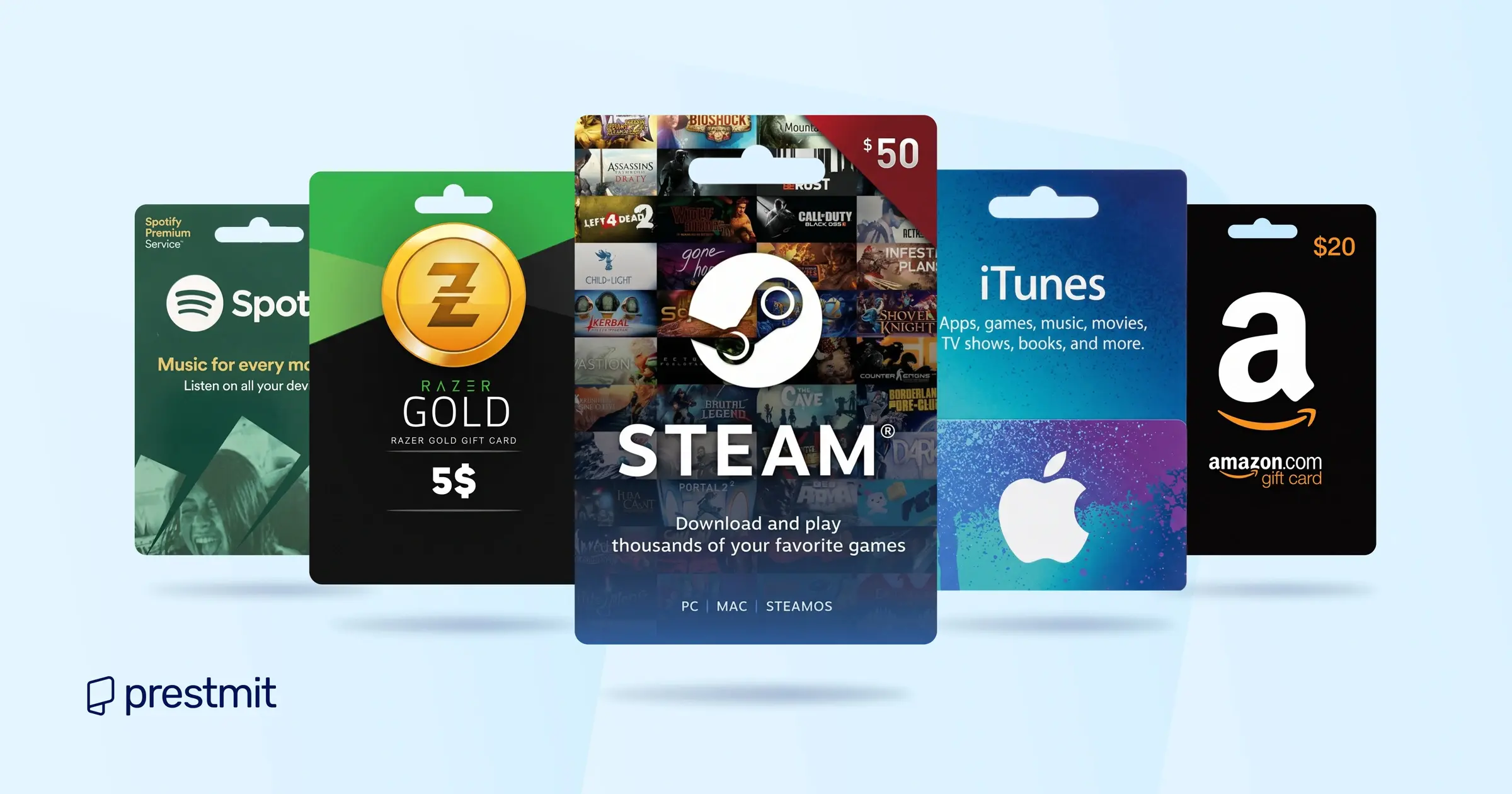
Almost every gift card scam leans on the same handful of pressure points. Scammers rarely invent something new because the old approaches keep working. Once you know the style and the common gift card scam tactics, the individual stories stop mattering. Below are the red flags worth memorising.
1. Payment Is Demanded Only in Gift Cards
If someone tells you the only way to pay them is with a gift card, that alone tells you it’s a scam – no legitimate bank, tax office, court, employer, landlord, electricity company, or hospital ever accepts gift cards as payment. Not one.
So when a caller insists that your unpaid bill, court fine, or job onboarding fee must be settled with Apple, Steam, or Amazon cards, the story is fake regardless of how convincing the rest of it sounds.
The U.S. Federal Trade Commission (FTC) puts this plainly: “anyone who demands payment by gift card is a scammer”. Consumers reported a record $15.9 billion lost to fraud in 2025, and gift cards remain one of the payment methods scammers push hardest, according to the FTC’s consumer advice on gift card scams.
One rule covers this entire category: a gift card is a gift, not a payment method for debts, fees, or fines.
2. There is Urgency, Pressure, or a Threat
Scammers know that people who slow down and think usually walk away. So they remove the thinking time.
Watch for lines like these:
- “Your account will be frozen in 30 minutes.”
- “Stay on the phone while you drive to the shop.”
- “Don’t tell the cashier what this is for.”
- “If you hang up, officers will be sent to your address.”
Real institutions do not behave this way. Your bank will never keep you on a call while you buy cards. The police will not settle a case with a Steam gift card.
Urgency plus secrecy is the signature of a scam, not of any legitimate organisation.
A practical example: a “supervisor” messages an employee on WhatsApp, says they’re stuck in a meeting, and asks the employee to quietly buy five $50 Amazon gift cards for a client gift. The account name matches. The photo matches. The number does not. That last detail is the only one that counts.
3. The Buyback Rate Is Well Above the Market Average
Rates for gift cards move within a predictable band. When a buyer offers you far more than everyone else, they are not being generous. They are buying your attention.
The pattern usually runs like this: the buyer promises a rate 30% to 50% above the going rate, asks for the code first, then disappears, delays, or claims the card was invalid. Sometimes they pay for one small card to earn your confidence, then vanish on the larger one.
Before you accept any offer, check the current gift card market rate yourself with the Prestmit rate calculator. It takes seconds and gives you a real benchmark. Rates shift with demand and gift card type, which is why gift card rates change daily in Nigeria – but they do not double overnight.
4. You’re Told to Redeem the Card Elsewhere
An Amazon gift card is redeemed on Amazon Store. A Steam gift card is redeemed on Steam Store. A Google Play gift card is redeemed inside Google Play.
When someone sends you a link to “activate,” “verify,” or “unlock” your gift card on a site you have never heard of, that link exists to harvest the code.
The page often looks identical to the real one, down to the logo and font. The address bar is where the difference shows: a stray hyphen, an odd extension, a subdomain that does not belong.
Type the retailer’s address yourself instead of clicking. It is a two-second habit that closes the entire attack. The same logic applies to redemption in general, and there are only a few legitimate ways to redeem a gift card – none of them involve a third-party link sent by a stranger.
5. The Gift Card’s Physical Packaging Looks Tampered With
Gift card draining happens in the shop, before you ever buy. A scammer lifts cards off the rack, records the codes, reseals the packs, and returns them. When you load value onto that card, they drain it within minutes.
Inspect any physical gift card before paying:
- The PIN scratch strip is already removed or partly rubbed off.
- The packaging has been resealed, with glue lines or edges that do not sit flat.
- A sticker or barcode looks applied over the original.
- The gift card is loose in the pack or sits out of place on the rack.
Choose gift cards from the back of the display, keep your receipt, and register or check the balance immediately. This is one of the latest gift card scams to beware of precisely because the victim does nothing wrong online.
6. They Contact You Through Fake Customer Support Accounts
Search for a brand’s support line on social media, and you will find the real account plus a dozen impostors. Fake support accounts copy the logo, the bio, and even the tone. Some of them reply within seconds, faster than the genuine team.
The tell is the direction of the request. Real support never asks for your gift card code, your PIN, or a remote-access app. Fake support asks for all three, then blames a “system error” when the balance vanishes.
Verify through the brand’s own website or app rather than through search results or replies to your complaint. Marketplace listings deserve the same caution, which is why the eBay gift card scam to avoid still catches careful people, and why Steam users should know the Steam gift card scams to avoid before accepting any offer.
What to Do If You Think You’re Being Scammed
Speed decides how much you recover. Gift card funds move fast, but retailers can sometimes freeze a balance if you reach them before the code is redeemed. Work through these steps in order.
- Stop communicating: End the call with the scammer, leave the chat, block the number. Scammers escalate when you hesitate, and every extra minute of conversation works in their favour.
- Don’t share the PIN: If the code has not left your hands, the fund is still yours. Nothing they say changes that.
- Contact the retailer immediately: Report the fraud directly to the issuer. Amazon, Apple, Steam, Google Play, and Target all have official channels for this, usually through their website’s “report a scam” or customer support page. Have the gift card number and receipt ready when you reach out, and ask them to flag or freeze whatever balance remains.
- Report the scam: In Nigeria, report to the Economic and Financial Crimes Commission (EFCC). Report the account or profile to the platform where the contact happened, too.
- Notify your bank if payment has already been made: If you paid by card or transfer, alert your bank the same day and ask them to log a dispute.
Keep everything: receipts, screenshots, phone numbers, usernames, and the card itself. Every report has a better chance with evidence attached.
Best Place to Buy and Sell Gift Cards Safely: Prestmit
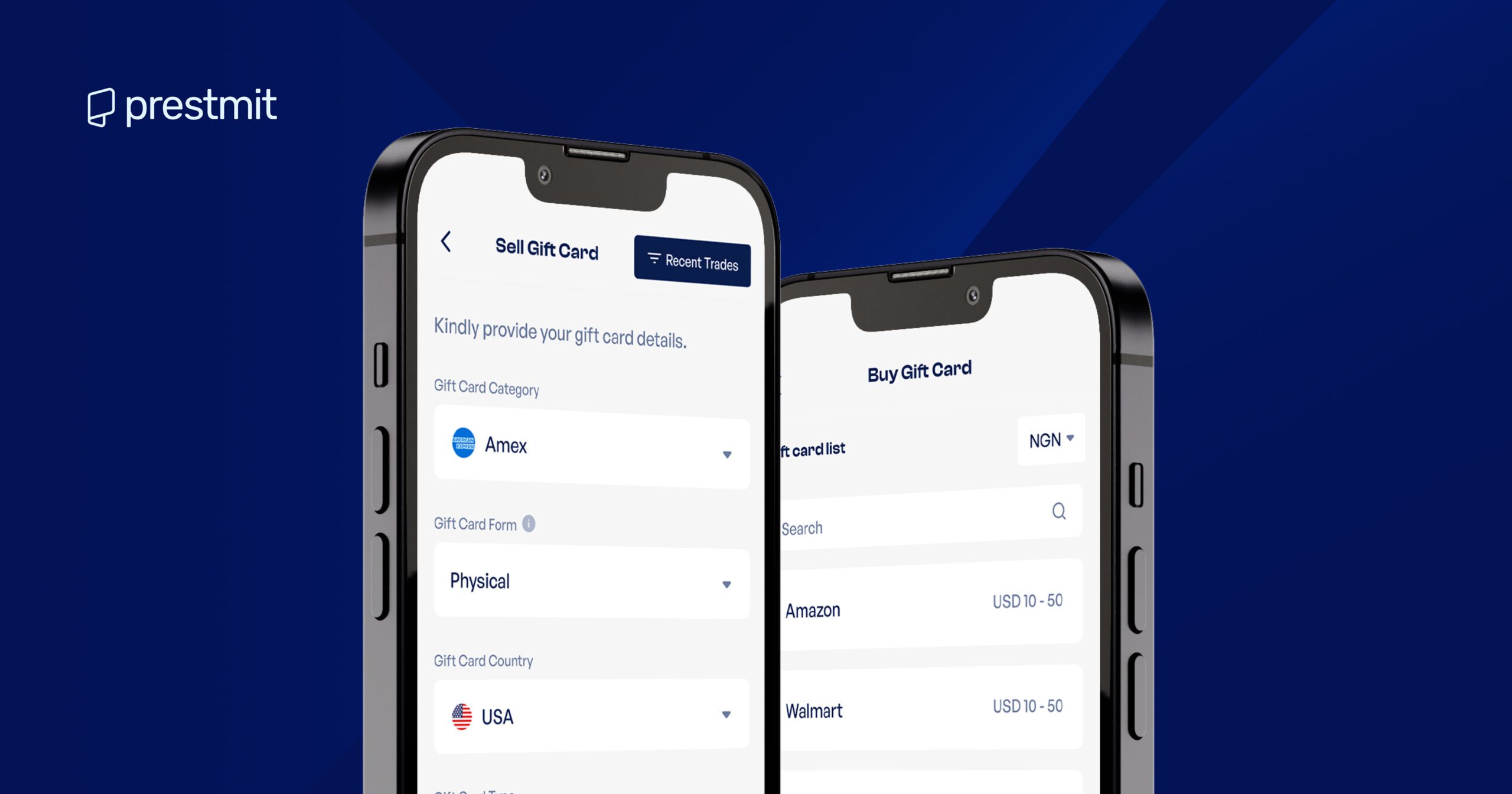
Most gift card losses happen in unregulated corners – a DM, a group chat, a “buyer” with no accountability. A licensed platform removes that risk by putting a verified system between you and your money.
Prestmit is one of the fastest and most reliable platforms to buy or sell gift cards. Buying gift cards on the platform is simple. Pick your gift card – Amazon, Apple, Steam, Google Play, Netflix, Sephora, eBay, Xbox, PlayStation, and more – pay with Naira, Cedis, USD, or crypto, and your code lands in your email within minutes. No delays, no complicated steps.
Selling your gift cards is just as fast, with more transparency built in. The in-app rate calculator shows your exact payout before you commit, so you know your gift card’s value upfront, not after. Rates stay competitive across brands, and once your gift card clears verification, your payment moves in quickly.
Most transactions settle within 5 to 10 minutes. With auto-withdrawal enabled, your payout routes straight to your bank account or crypto wallet without a manual request, in whichever currency suits you: Naira, Cedis, USD, or crypto.
Every transaction is protected by SSL encryption, two-factor authentication (2FA), and biometric login, so access stays limited to you alone – backed by 24/7 customer support whenever you need a hand.
Buy or sell your gift cards on Prestmit today, through the web app or the Prestmit app on iOS and Android.
Frequently Asked Questions
1. Can I get my money back after a gift card scam?
Sometimes, but only if you act fast. If the scammer has not yet redeemed the code, the retailer may freeze the remaining balance and refund it. Once the card is drained, recovery becomes unlikely because gift cards carry no chargeback protection. Report it to the retailer and to the EFCC anyway. Reports help investigators trace repeat offenders.
2. Which gift cards do scammers ask for most often?
Widely available, easily resold brands. Apple, Amazon, Google Play, Steam, eBay, and Razer Gold appear most often in fraud reports. Scammers favour them because the cards sit in every supermarket and convert quickly.
3. How can I check whether a gift card has already been used or drained?
Check the balance on the retailer’s official site or app using the card number, or call the number printed on the back of the card. Do this in the shop if possible. Never check a balance through a link someone sends you, since those pages are built to capture your code.
4. Are gift cards a safe way to send money to someone?
No. Gift cards were designed for spending at one retailer, not for moving money. They offer no sender protection, no reversal, and no proof of receipt. Use a bank transfer or a licensed payment service when you need to send money to a person.
5. Is it safe to sell gift cards online in Nigeria?
Yes, when you use a registered platform like Prestmit, with verified rates, secure accounts, and traceable payouts. Selling becomes risky when you deal directly with individuals on social media or messaging apps, where nothing holds the buyer accountable after they receive your code.
Conclusion
Knowing how to spot a gift card scam comes down to a short mental checklist. Gift cards never settle bills or fines. Urgency and secrecy point to fraud. Rates far above the market are bait. Redemption happens only on official sites. Tampered packaging means walk away. And support teams never ask for your PIN.
Slow down, verify through official channels, and never let someone else’s deadline become yours.
When you are ready to sell, do it somewhere that shows you the rate upfront and pays you fast. Check current gift card rates on Prestmit and sell with a platform built to protect the transaction from start to finish.
Last updated on August 12, 2026