Table of Contents
Quidax is one of the top crypto exchanges for users who want to buy and sell cryptocurrencies. However, today’s traders require more than just basic access. While Quidax offers core trading functionality, it also has limited advanced trading features, high instant fees, and a smaller catalog of supported digital assets compared with major global exchanges, thereby limiting the choice for users who want broader market exposure.
These limitations are pushing many users to search for alternatives that provide more trading features, better value, and a more complete digital service.
This guide compares 5 strong Quidax alternatives, along with an option that offers a more well-rounded set of crypto services plus real payment utility in one app.
1. Prestmit
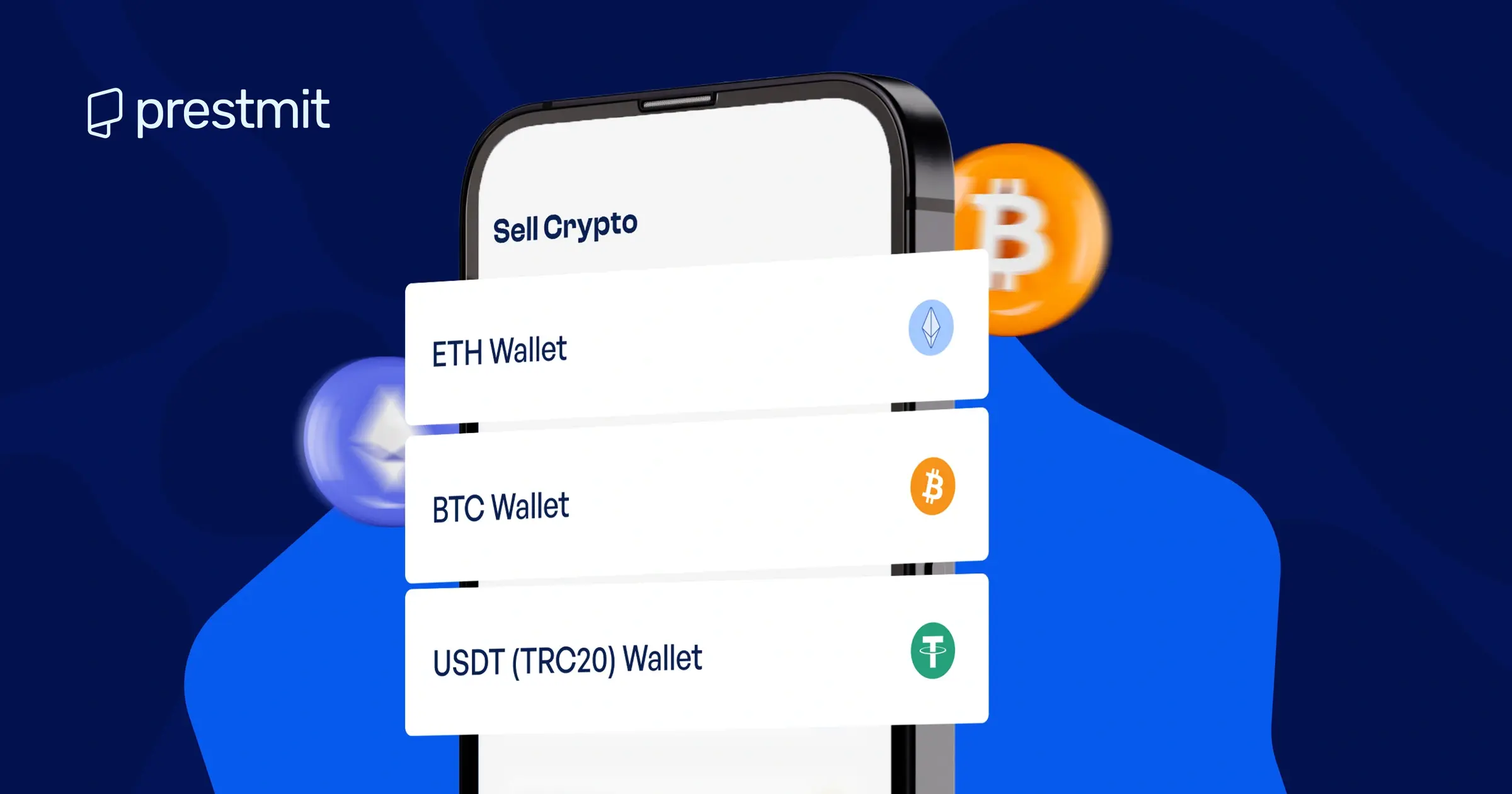
Prestmit delivers the strongest all-in-one experience as a direct alternative to Quidax. The platform supports crypto trading, as users can convert crypto to cash easily. You can also buy and sell gift cards, as well as airtime and bill payments, and eSIM purchases inside the same app.
It also supports a multi-currency wallet for Naira, Ghanaian Cedis, and US dollars, making it easier to receive, hold, and manage funds across different currencies. Prestmit’s crypto rate calculator allows users to check current conversion values before initiating a transaction, while the platform’s competitive rates help users receive strong value for their digital assets.
Its beginner-friendly interface allows for simple navigation and a quick transaction process, even for first-time users. Through its auto-withdrawal feature, users can receive payment directly into their local bank accounts once a transaction is completed, removing the need for additional withdrawal steps.
For users handling larger transactions, Prestmit offers an OTC trading option designed for high-volume trades. It also provides 24/7 user support and strong security protections, including biometric verification and 2FA.
While Quidax is mainly focused on cryptocurrency services, Prestmit brings other useful digital services together in one place, making it a more complete option for users seeking greater convenience and functionality.
Ready to Get Started?
2. Bybit
Bybit is a centralized exchange platform that supports Nigeria and a couple of other regions. It offers advanced features such as futures, copy trading, and spot trading, but Bybit also carries a usability drawback. It has a poor User Interface that is not beginner-friendly, and this consequently slows down onboarding for new users.
3. Remitano
Remitano is a popular peer-to-peer cryptocurrency exchange and digital wallet that allows people to buy, sell, and swap digital assets. While it is a viable Quidax alternative, it operates as a custodial platform, meaning users do not hold the private keys to assets stored in their wallets. More so, its relatively high withdrawal fees may also reduce the value users receive from transactions.
4. Breet
Breet uses an automated over-the-counter (OTC) model that converts cryptocurrency directly to cash. While this makes transactions simple, users have little control over the trading process, and internal exchange rates or spreads may reduce the final payout. Breet is suited for basic crypto-to-cash transactions rather than advanced trading. It does not offer features such as detailed charting tools, margin trading, or comprehensive portfolio management.
5. Busha
Busha is a potential Quidax alternative for users who want to trade cryptocurrency and earn returns through crypto savings. It also provides useful services for buying, selling, and managing digital assets. However, Busha has some setbacks. It supports fewer trading pairs and may not be suitable for users who regularly carry out large or high-volume transactions.
Factors to Consider When Choosing a Quidax Alternative
1. Fee Structure
It’s important you choose a platform that has a clear and transparent fee structure, so you know exactly how much you will receive before selling your crypto. For instance, the Prestmit app always displays the applicable rate and expected payout upfront, and there are no hidden charges or unexpected deductions when using the app.
2. Ease of Use
A good exchange should be simple to navigate and straightforward to use. Look for clear steps for deposit, trading, and withdrawal, an interface that doesn’t confuse users, minimal friction, and fewer errors during transactions. When the platform is user-friendly, you spend less time struggling with the app and more time managing your trades.
3. Customer Support
Delays, verification issues, or account restrictions can happen any time. What separates good exchanges from great ones is how their support team responds. Prioritize platforms that offer fast, responsive support, multiple support channels (e.g., live chat, WhatsApp, email, phone), and a proven record of resolving user complaints. Reliable support reduces stress and helps you recover quickly when problems occur.
4. Payment Method
Choose a platform that supports payment and withdrawal methods that match your preferences. Prestmit offers several options, including Naira, Cedis, and USD wallets, direct bank transfers, and cryptocurrency payments. This flexibility allows users to select the most convenient way to receive or manage their funds. A platform that doesn’t offer your preferred payment route forces delays and extra steps, so make sure it fits your preferred funding and withdrawal route.
5. Security and Regulatory Standing
Your exchange should take security seriously. Look for strong protective measures such as two-factor authentication (2FA), biometric or additional verification options, and transparent operational practices. Additionally, choose a platform that complies with relevant local or international regulations, because compliance usually reflects stronger governance and risk management.
Frequently Asked Questions
1. Which app is the best alternative to Quidax?
Prestmit stands as the best alternative because it combines crypto features with payment utility, rate preview before conversion, and an OTC option for larger trades.
2. Does Prestmit support crypto trading?
Yes. Prestmit supports Crypto-to-fiat conversion, which enables users to trade crypto for fiat with a rate preview before they complete the trade.
3. Which Quidax alternative has the lowest fees?
Prestmit has the lowest fees among the listed alternatives. It charges no spot trading fees, while Naira withdrawals cost just ₦50. Funding your Naira wallet through a virtual account attracts a small 2% fee, making the platform remarkably affordable for everyday transactions.
4. Can I withdraw naira directly from these platforms?
Yes. Prestmit, Remitano, Busha, and Breet allow direct Naira withdrawals to Nigerian bank accounts. However, Bybit uses P2P trading for Naira withdrawals. Prestmit stands out for its fast and seamless withdrawal process.
Conclusion
Quidax limits many users through fewer advanced tools, high instant fees, and a smaller digital asset catalog. That reality drives demand for alternatives that offer stronger functionality and better day-to-day usefulness.
Among the aforementioned Quidax alternatives, Prestmit leads the list because it delivers crypto and other everyday services, all in one app. And users get to see the rates before converting their assets, including an OTC option for people who deal in larger trades. Users who want a complete digital solution, not just a trading interface, will find the most value in Prestmit.
Last updated on August 12, 2026